Prof. Santhi Jayasekera, PhD, Film Director
Introduction
French cinema, as an important part of world cinema, is a unique phenomenon that has gone through many stages of development since its inception at the end of the nineteenth century. Between 1925 and 2025, French cinema experienced significant changes, reflecting not only internal transformations but also global trends in art and culture. This paper aims to explore the key moments and significant phenomena that shaped the development of French cinema during this period, and to analyse the impact of these changes on the current state and future of French cinema.
The relevance of this paper is due to the fact that French cinema is not only an important part of the cultural heritage of France, but also has a significant impact on the global film industry. From the advent of silent cinema, when audiences first saw masterpieces such as Paris, City of Light and Journey to the Moon, to the present day, when digital technology and streaming platforms are changing the rules of the game, French cinema has always been at the forefront of artistic experimentation and cultural expression. With globalisation and the rapid development of technology, the study of the history and evolution of French cinema becomes particularly relevant as it provides insight into how tradition and innovation can co-exist and influence each other.
This paper will highlight several key themes that will help to further understand the development of French cinema. The first theme is ‘First Steps: Silent cinema and the transition to sound cinema’. This section will examine how silent cinema, with its expressive visual aesthetic, gradually gave way to sound cinema, which opened up new horizons for directors and screenwriters. We will analyse how this transition affected the style and content of films, as well as the perception of cinema as art.
The next section is ‘The Evolution of Film Production: Classics and Experimentation’. Here we will focus on how French cinema evolved within the classical tradition, as well as on those directors and films that introduced elements of experimentation and innovation. We will discuss how movements such as the New Wave have changed the perception of cinema and its possibilities.
The theme ‘Commercialisation: The Rise of Auteur Cinema’ will allow us to examine how French cinema has adapted to the demands of the market while maintaining its uniqueness and auteurism. We will analyse how commercialisation has influenced the creation of films and the careers of prominent directors such as François Truffaut and Jean-Luc Godard.
In Contemporary French Cinema: Genres and International Success, we will explore how contemporary French films span a variety of genres and themes, and how they resonate with international audiences. We will look at which films have become landmark films and how they have helped to strengthen French cinema’s position on the world stage.
The theme ‘The Digital Transformation of French Cinema’ will focus on how new technologies have changed the process of film creation and distribution. We will discuss the impact of streaming platforms, social media and digital technologies on film production and audience preferences.
In ‘Sociocultural Aspects of Francophone Cinema’ we will analyse how French cinema reflects and shapes social and cultural realities, including issues of identity, migration and gender relations. We will examine how films become a mirror of society and how they can influence public opinion.
Finally, in ‘The Future of French Cinema: Trends and Challenges’, we will attempt to predict what directions and trends will shape the development of French cinema in the coming years. We will discuss what challenges the industry will face and how it will be able to adapt to the changing conditions.
This paper is thus a comprehensive overview of the history of French cinema from 1925 to 2025, which will not only allow us to understand its evolution, but also to assess its importance in the context of world cinema.
First Steps: Silent cinema and the transition to sound
Figure 1: Scenes from silent films illustrating the transition to the sound format
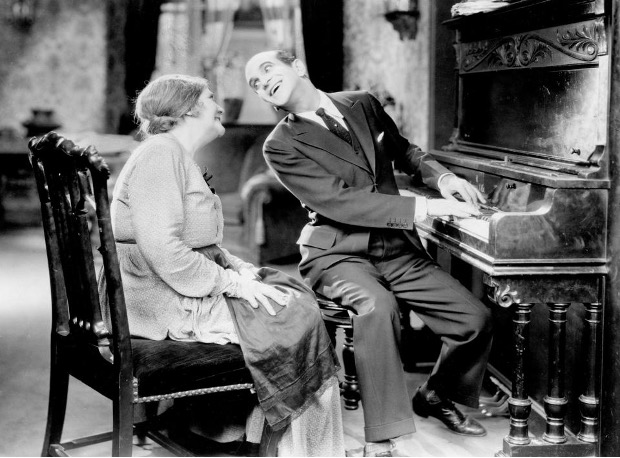
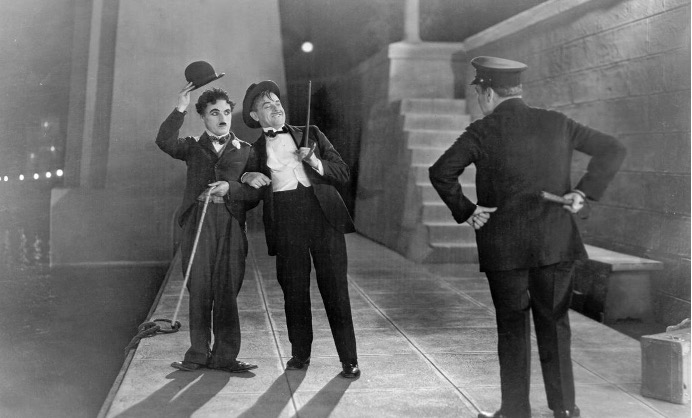
Figure 2: Scenes from silent cinema illustrating the transition to the sound format
In the early 1920s, French cinema was at a crossroads. Silent cinema still dominated the cinematic landscape, but technological advances and changing audience tastes were gradually pushing the industry towards new forms of expression. It was during this period that the first steps towards sound cinema began to emerge in France, marking the beginning of a new era.
Silent cinema was characterised by a wealth of visual aesthetics and expressive means. Directors experimented with storytelling methods, creating vivid images and unique styles that became the basis for future films. Charlie Chaplin and Bastier Blake brought such changes to the genre of comedy that they left a significant mark not only in the world of cinema, but also in the history of art in general. At this time, each new film was perceived as testing the boundaries of what cinema could do[1].
In 1927, the film The Marquise was released, which was one of the first examples that showed how the worlds of silent and sound cinema could intersect. The use of sound effects and musical accompaniment added emotional intensity to the compositions, allowing for new levels of perception[5]. With the introduction of sound into cinema, new elements emerged, bringing additional texture to familiar genres such as drama and comedy.
Gradually, major film studios also joined the process. Sound pictures emerged, creating competition to silent films. Sound cinema brought not only new opportunities, but also new challenges for specialists in the field of editing and sound engineering. Therefore, in 1929 the active transition of cinema to sound tapes began, which significantly changed the production process. They added dynamics and multi-layers to the narrative, expanding the horizons of the viewer’s interaction with the film[2].
French directors did not just adapt international experience, but also created their own unique visual and sound concepts. Music and sound effects began to be used not only as background accompaniment, but also as a third integral element of the narrative, which allowed to reveal more deeply the characters and their inner world. Sound cinema was the catalyst for the formation of a unique French cinematic language, which later had a significant influence on world practice[3].
New genres also began to emerge during this period. Romantic comedies and melodramas took on new forms, allowing directors to express their visions through sound and musical accents. The viewer began to witness familiar themes, but in a more extended and lively format of dialogue with the screen. This was the starting point for the creation of more complex works that combined previously incompatible elements[4].
With the transition to sound cinema, considerable attention was also paid to the adaptation of theatrical works. The unique opportunity to interact with the audience through dialogue and sound effects immersed the audience more deeply into the story and character interactions. This led to the creation of new formats that opened new horizons for stage productions and cinematic works in general[2].
The period from 1925 onwards was thus a defining period for French cinema: silent cinema, with its expressive visual aspects, became the basis for the formation of sound expression. With each new work, unique masterpieces were created that not only changed French-speaking cinema, but also influenced other countries[1]. And the early 30s already marked a new era with a deepened integration of sounds in cinema, opening the way for further experimentation and absolute innovations in the future.
Evolution of Film Production: Classical and Experimental
Figure 3:
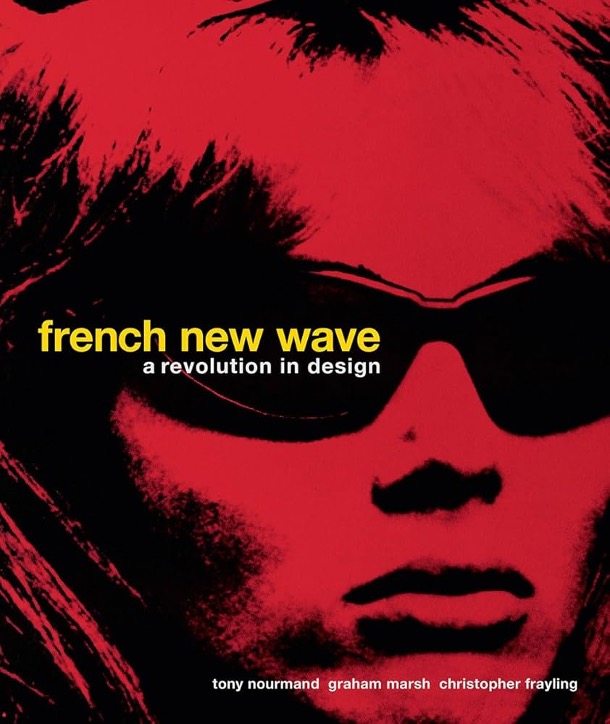
French New Wave: influences on filmmaking and stylistic approaches
The term New Wave (Nouvelle Vague) refers to the influential movement in French cinema of the late 1950s and 1960s. This movement is characterised by an innovative style, a rejection of traditional conventions of storytelling and technical experimentation. New Wave directors often focused on personal themes, used location shooting, improvisation and unconventional editing techniques.
La Nouvelle Vague is an influential movement in French cinema that emerged in the late 1950s and continued into the 1960s. It is characterised by an experimental style, a rejection of traditional cinematic conventions, an emphasis on the director’s auteurist vision and a fresh look at society.
The main characteristics of the New Wave:
– Auteur cinema: The director was seen as the author of the film with his own style and vision.
– Experimental style: Use of hand-held camera, shooting on location, improvisation of actors, unconventional editing, breaking the linear narrative.
– Realism: Focus on everyday life, ordinary people and their problems.
– Rejection of traditional genres: Blurring the boundaries between genres, mixing comedy, drama, thriller.
– Intellectual: Films often contained philosophical reflections, references to literature and other forms of art.
– Youthfulness: New Wave directors were young, often debutantes, with a new way of looking at the world.
– Criticism of bourgeois society: Critical of established norms and values.
– Interest in modernity: Reflecting life in contemporary France, new technologies and cultural trends.
Key figures of the New Wave:
– François Truffaut (‘400 Blows,’ ‘Jules and Jim’)
– Jean-Luc Godard (‘In the Last Breath,’ ‘Mad Pierrot’).
– Alain Resnais (‘Hiroshima, My Love’, ‘Last Year in Marienbad’).
– Claude Chabrol (‘Handsome Serge’, ‘The Butcher’)
– Eric Romer (‘A Night at Maud’s’, ‘Claire’s Knee’).
– Agnès Varda (‘Cleo 5 to 7’, ‘Happiness’)
– Jacques Rivette (‘Paris Belongs to Us’, ‘Céline and Julie are totally screwed’).
New Wave influence:
‘New Wave has had a huge impact on world cinema. It inspired directors around the world to experiment with style and content, to create more personal and auteuristic films. Its influence is also felt in contemporary cinema.
Reasons for the emergence of the New Wave:
– ‘The Politics of Authorship ’: A theory developed by French film critics that argued that the director is the author of the film and not just the executor of someone else’s will.
– Dissatisfaction with traditional French cinema: Young directors felt that traditional cinema was outdated and did not reflect modern life.
– Equipment availability: The advent of lighter and more portable filming equipment made it possible to shoot on location and experiment with style.
– Changes in society: France was going through a period of social and cultural change, which was reflected in New Wave films.
‘The New Wave is not just a cinematic movement, it is an entire era in the history of French cinema that has left an indelible mark on world culture.
Here are some of the most important directors of the New Wave period and a brief description of their key traits:
– François Truffaut (François Truffaut): One of the most famous directors of the New Wave. His debut film 400 Blows (Les Quatre Cents Coups, 1959) is considered the manifesto of the movement. Truffaut often explored themes of childhood, love, cinema and literature. His films are characterised by a personal and autobiographical approach. Other notable films include Jules et Jim (Jules et Jim, 1962) and La Nuit américaine (American Night, 1973).
– Jean-Luc Godard: The most radical and experimental director of the New Wave. Godard challenged all the traditions of cinema. His films are characterized by political content, innovative editing techniques, breaking the ‘fourth wall’ and philosophical dialogues. Famous films include À bout de souffle (1960) and Pierrot le Fou (1965).
– Alain Resnais: Although he is often classed as one of the ‘Left Bank’ of the New Wave, Resnais was also a significant influence on the movement. His films are characterised by complex narrative structures, exploring memory and time. Notable films include Hiroshima Mon Amour (Hiroshima, 1959) and L’Année dernière à Marienbad (Last Year in Marienbad, 1961).
– Claude Chabrol (Claude Chabrol): Chabrol is known for his thrillers and dramas exploring the darker sides of bourgeois society. He often addressed themes of adultery, jealousy and murder. Notable films include Le Beau Serge (1958) and Le Boucher (1970).
– Éric Rohmer (Éric Rohmer): Rohmer is known for his intellectual and conversational films that explore moral and philosophical questions. His characters often find themselves in difficult situations of choice. Notable films include My Night at Maud’s (Ma nuit chez Maud, 1969), a series of Six Moral Tales.
– Agnès Varda (Agnès Varda): Varda was one of the few female directors associated with the New Wave. Her films were characterised by social realism, feminist views and experimentation with form. Notable films include Cléo de 5 à 7 (Cléo de 5 à 7, 1962), and Homeless (Sans toit ni loi, 1985).
These directors, each in their own way, have made a huge contribution to world cinema, influencing generations of filmmakers and continuing to inspire audiences. It is important to remember that the New Wave is not a single entity, but rather a group of directors with different styles and approaches, united by a common spirit of innovation and a desire to renew the language of cinema.
Figure 4: The French New Wave: Influence on filmmaking and stylistic approaches
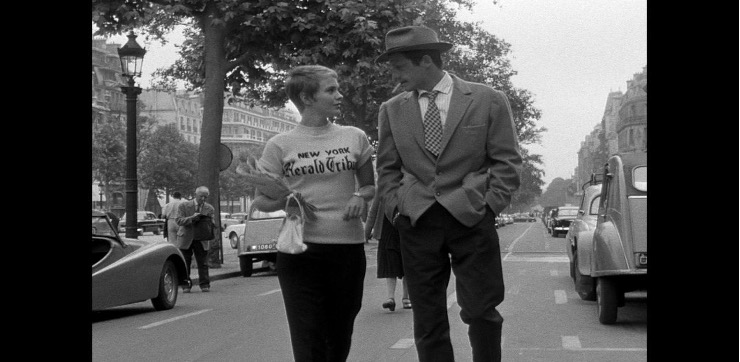
Since the mid-twentieth century, French cinema has shown a steady tendency to experiment with forms and genres, and to search for new expressive means. The New Wave period (1950s-1960s) was a significant stage in this process. The directors who formed the core of this movement were looking for ways to break the canons of traditional film production. As a result, many of their works developed unconventional narrative structures and a bold visual style that was a marked difference from the mainstream cinema of the time [6].
Key figures in this era were directors such as François Truffaut, Jean-Luc Godard and Claude Chabrol, who actively utilised unconventional techniques that spoke to the pinching reality of life. Their works went beyond the usual commercial format, which contributed to the creation of a new language of image and sound [7]. For example, Truffaut in his film 400 Blows (1959) showed a reality that could not be accommodated in a standard dramaturgical framework. Godard, on the other hand, in In the Last Breath (1960), completely destroyed the traditional approach to narrative by using a montage that boldly combined fragments that were different in style and time.
An important aspect of the evolution of French cinema was the realisation of the actor’s role as a collaborator. The use of non-verbal means of expression and the shift in emphasis to psychological and emotional authenticity opened new doors for the actor’s improvisation. This contributed to the creation of images where emotions rule the ball, rather than pre-prepared phrases, as it was done before [8].
Parallel to the manifestations of the new approach, the old traditions still retained their influence. Many directors and producers turned to the more commercial and accessible cinema, creating their own original works. This diversity led to the emergence of subcultures within cinema itself and an expanding market for independent films. As a result, different genre trends began to form, each bearing the mark of both greatness and experimentation [9].
From the late 1970s and early 1980s, the French film industry continued to evolve, integrating elements of pop culture and bringing new interpretations to traditional narratives. The variety of forms and content artists adapted to the growing expectations of audiences. Not only comedies and dramas became important, but also thrillers that resonated with the social and cultural issues of the day [10].
Contemporary French cinema, while exploring and maintaining a complex relationship between the classics and experimentation, continues to be at the intersection of different traditions and cultures. Emotionally intense and genre distinctive films win international prizes and are the subject of study at film forums around the world. Interacting with digital technologies, contemporary French cinema finds new ways to express itself and create unique examples [6]. This allows it to remain relevant without losing touch with its rich history.
Commercialisation: The rise of auteur cinema
Figure 5. Images from auteur cinema in France in the 1970s and 1980s
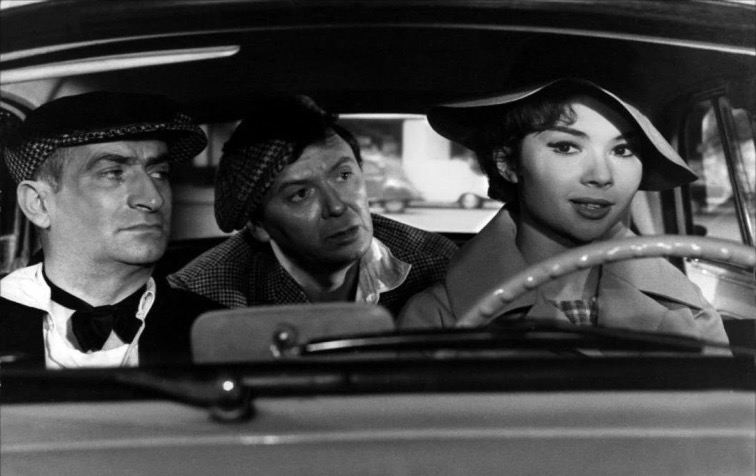
Figure 6. Images from French auteur cinema of the 1970s and 1980s
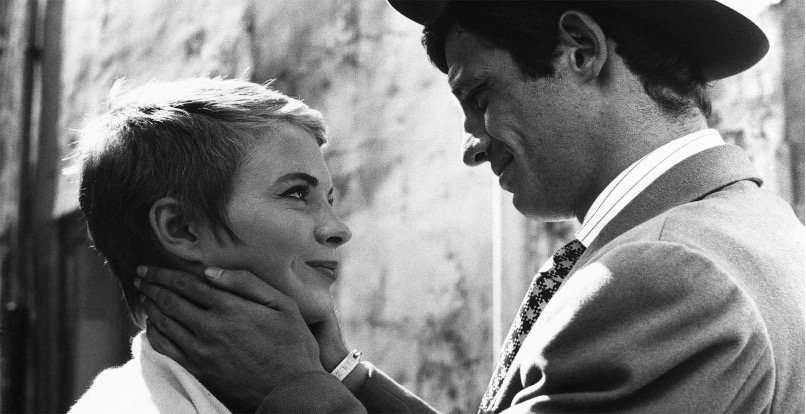
In the 1970s and 1980s, French cinema entered a new era, faced with the need to combine commercial interests and auteurism. This period proved to be iconic thanks to the emergence of charismatic actors such as Jean-Paul Belmondo and Catherine Deneuve, who became symbols not only of their films, but of an entire era. Popular films of that time combined elements of drama, comedy and thriller, which contributed to the growing interest of the audience in French-language cinema [11].
A major influence at this time was the new wave, which introduced auteur cinema as a genre in its own right. Directors such as François Truffaut, Jean-Luc Godard and Eric Rohmer created an alternative to traditional films by exploring complex human relationships and social issues. Their works not only addressed relevant themes of their time, but also integrated personal reflections and experiences, which made audiences look at films in a new way [12].
Commercial cinema began to capitalise on these changes, seeking to attract audiences through a variety of genres and experimentation with style. Content creators began to make heavy use of action scenes, thriller and comedy elements, which increased box office receipts. Films such as The Basketball Player and Swindlers demonstrated that even commercially successful projects can contain deep themes and innovative approaches [13].
At the same time, the authors did not abandon the stage. Truffaut and Godard’s work continued to delight critics and audiences despite increasing commercial pressures. They drew on their own experiences and reflected on the social context in which they existed. These approaches allowed them to create true works of art that had a powerful influence on cinema around the world [14].
An important aspect of this time was the influence of international cinema. Different styles and approaches became increasingly accessible and French directors began to integrate elements from other cultures. This process led to the creation of new genres and the mixing of styles, which enriched French cinema and allowed it to take its rightful place on the international stage. As a result, French cinema of the 70s and 80s became an international phenomenon, resonating with both national and foreign audiences [15].
To summarise, we can say that in the 70s and 80s, French cinema became an important cultural phenomenon that combined commercial success and authorial self-expression. The era, full of experiments and bold decisions, left a significant trace in the history of cinema, opening new horizons for future generations of directors and viewers.
Contemporary French cinema: Genres and international success
Figure 7. A scene from a French film against the backdrop of the Eiffel Tower
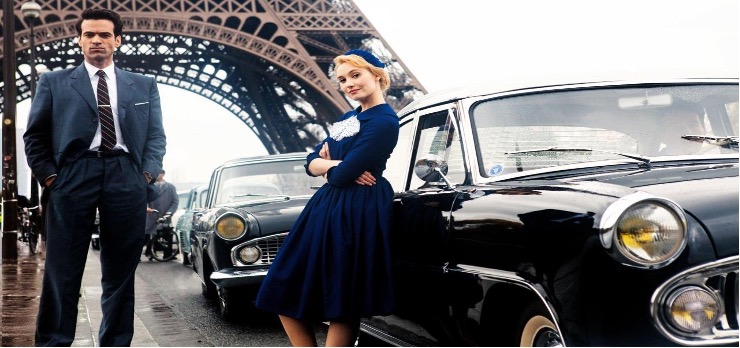
Contemporary French cinema is a vivid reflection of the country’s cultural and social life, actively exploring different genres and styles. One of the most notable aspects of this period is the diversity of genres, from dramas and comedies to thrillers and documentaries. This approach ensures a breadth of topics and allows for a deep dive into important social and cultural issues that concern both French audiences and viewers around the world [16].
French auteurs, such as Romain Gary and Laura Nuyss, have demonstrated themselves as masters of original storytelling and artistic experimentation. Their films are often highly acclaimed at international festivals, indicating that profound and innovative art is finding an audience outside of France [17]. Other directors, such as Lia Seydoux and Jacques Audiard, also strive to create unique works that not only entertain but also encourage reflection on life and existence [18].
The funding of French cinema, supported by public institutions, also plays an important role in the development of the industry. Government subsidies and grants allow the creation of unconventional and uncompromising films that may not have commercial appeal but nevertheless contribute significantly to the country’s cultural flow [19]. This support has enabled the creation of successful projects such as Edith Piaf: Life in Pink and Green Book, which, despite their different subject matter, have been able to attract international attention by raising issues related to identity, culture and history [20].
French cinema is actively involved in the festival movement, as evidenced by its continued success at the Cannes, Venice and Berlin festivals. At these events, films are selected not only on criteria of artistic quality, but also on their ability to explore topical issues such as immigration, social justice and gender issues. For example, the film Portrait of a Woman on Fire received rave reviews for its artistic execution and for its need to discuss women’s choices and freedom in contemporary society [16].
Documentary filmmaking is also an important part of contemporary French cinema, effectively conveying key moments from the country and the world. These films, often of an independent nature, allow viewers to access different perspectives on society and its problems. For example, documentaries addressing issues such as climate change or mass migration become important vehicles for public debate.
However, with the emergence of digital platforms and streaming services, contemporary French cinema, like the rest of the global film industry, is facing new challenges. Shifting formats and audience preferences are pushing filmmakers to find new ways to stay relevant amidst growing competition. However, it also opens up new opportunities to tell their stories, allowing them to explore contemporary formats and storytelling techniques that resonate with younger audiences [19].
Thus, the diversity of genres and the high production quality of contemporary French cinema ensure its positive reception on the international stage, demonstrating the cultural richness and diversity of this country. Each new work becomes a contribution to the overall perception and understanding of French culture, forming a vibrant contemporary cinematic identity that continues to evolve in response to a changing world.
The digital transformation of French cinema
Figure 8. Digital transformation and its impact on cinema
Figure 9. Digital transformation and its impact on cinema
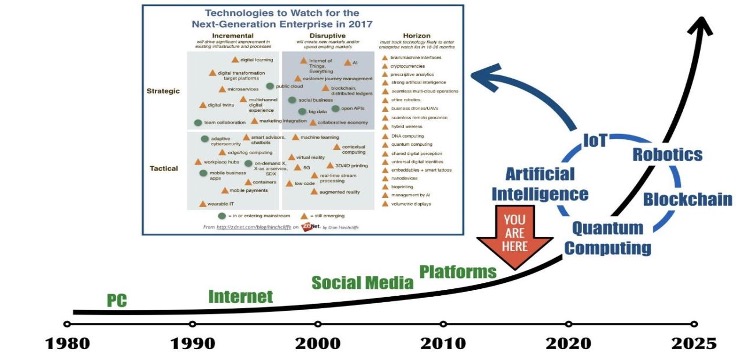
Figure 10. Timeline of the digital transformation of French cinema (2020-2025)
The digital transformation of French cinema from 2020 to 2025 proved to be a unique period in which traditional cinematic practices and new digital technologies intersected. In the face of a pandemic that has had a major impact on the entire entertainment industry, French cinema has adapted to changing circumstances, including through the development of streaming platforms and international co-operation.
Since 2020, more and more films have been released digitally, allowing many auteur and independent projects to attract the widest possible audience. Streaming services such as Netflix and Amazon Prime have actively invested in the production of French films, which has opened more opportunities for local directors and screenwriters [21]. This has been an important step in the globalisation of French cinema, allowing it to reach beyond traditional cinemas and win the hearts of audiences around the world.
Digitalisation has also affected the areas of post-production and editing. Modern technology allows directors to use new software tools to create visual effects that previously required significant time and budget. This has made it possible for even low-budget films to look globally competitive [22]. For example, the Chaos Anthology project was created using revolutionary digital technologies, which emphasises the changing approaches to film making in the country.
In addition to technical changes, the disappearance of barriers between different films has also facilitated the emergence of new genres and hybrid formats. Authors began experimenting with documentary and fiction films, blending elements of different styles and formats to appeal to diverse audiences. For example, the film Oblivion successfully combines documentary and fiction elements, exploring the theme of memory and identity in contemporary realities.
Against the backdrop of the growing popularity of digital platforms, new forms of distribution have emerged. Premiere-in-theatre plus streaming models have become relevant, giving audiences the unique choice of watching a film on the big screen or at home. Many major French titles have taken this route, opting for parallel premieres to maximise audience reach [23]. This increase in distribution options has also contributed to an increase in the number of screenings of independent and auteur cinema.
The 2024 Film Conference revealed that content rights and support for independent creators in a digital environment remain critical themes for the future. The Russian-French co-production initiative that unfolded at this time demonstrates the desire to preserve cinema as an art despite digital capitalisation [24]. Some experts are concerned that by increasing the amount of content, we risk losing the cultural characteristics of French cinema, which has always stood out for its uniqueness and multi-layered nature.
French cinema also continues to draw attention to social and political issues through its films, which is particularly relevant in the era of globalisation. Directors are still searching for new formats to communicate their ideas, using both traditional and innovative methods of storytelling.
In this wave of cultural heritage celebrations, it has been observed that until 2025, it is more important than ever to maintain a balance between technological innovation and preserving the uniqueness of French cinema. The success of French films on the international stage suggests that digitalisation is not only changing production and distribution methods, but also opening up new opportunities for cultural exchange and the appreciation of art on a global scale [25].
Socio-cultural aspects of French-language cinema
Figure 11. French cinema and its cultural aspects
Figure 12. Time line of changes in the history of French cinema from 1925 to 2025
French cinema from 1925 to 2025 is inextricably linked to the context of the social and cultural processes that took place in the country and beyond. From the early days of cinema, major themes and storylines often intersected with issues relevant to society, reflecting the harsh realities of the times and complex human emotions.
One of the most notable moments in the history of French cinema was the emergence of social realism, which, beginning in the 1930s, emphasised the lives of ordinary people. Films of this era boldly addressed the problems of class struggle and social inequality. Thus, directors such as Jean Renoir can be called the forerunners of the future wave of auteur cinema, as their works laid the groundwork for the discussion of socially significant themes. For example, Renoir’s film Grand Illusion not only asked questions of war and humanity, but also raised themes of class differences and human solidarity [26].
Since the 1960s, with the arrival of the new wave, French cinema began to absorb criticism of social phenomena more actively. Directors such as François Truffaut and Jean-Luc Godard used their work to analyse the power structures and social taboos of their time. During this time, French cinema becomes an incubator for social change, discussing topics that were previously considered taboo. Godard’s work, for example, emphasised inequalities in relationships and social dynamics, including aspects of consumerism and its impact on the lives of individuals [27].
In recent decades, there has been a resurgence of interest in social issues. Young filmmakers are focusing on issues such as migration, identity and integration. Films in recent years have covered a wide range of social issues, from economic inequality to systemic bias. Works such as Laje Lee’s ‘Wrong’ bring up current topics related to suburban life and racially motivated conflict. This brings audiences back to the question of how cinema can influence public perception and awareness of social issues [28].
Social dramas tend to reflect both personal and societal experiences. Their main aim is to help open a dialogue among viewers to make society reflect on its values and concerns. By delineating stereotypes and breaking myths, such films become a kind of catalyst for change in society. For example, works addressing racial discrimination inspire vigorous debate and can promote better understanding between different cultures and backgrounds [29].
French cinema also actively interacts with other art forms, giving it a unique depth. Cross-cultural approaches, the properties of mixed genres and the use of new technologies such as virtual reality complement cinema and keep it relevant in the process of discussing contemporary social issues. Innovations such as the expansion of the presentation format and interactive elements are becoming increasingly relevant in the creation of films, enabling the audience to actively participate in the perception of the artistic work.
Cinema also serves as a reflection of the fears and hopes that exist in society. It can be used to explore how people are affected by various events, be it terrorist attacks, economic crises or global environmental issues. Authors are increasingly using cinema as a platform to discuss topics that concern society, bringing them as close to reality as possible, making genres such as documentary and fiction extremely relevant in today’s context [30].
In this way, French cinema has repeatedly demonstrated its ability to reflect social and cultural issues, constantly evolving and adapting to the new challenges of the times. It will be an essential explorer of socio-cultural reality, creating a space for ideas to mature and for the exchange of ideas. In the experiences of the characters reflected on the screen, viewers can find their own fears, hopes and dreams, making cinema not only entertainment but also a powerful tool for understanding and experiencing social reality.
The Future of French Cinema: Trends and Challenges
Figure 13. French cinema and its future in the streaming era
Recognised as one of the outstanding cultural traditions, French cinema is facing new challenges and changes that are shaping its future. Trends have been significantly transformed over the past decades and the current situation needs to be analysed.
Contemporary Francophone cinema follows a path towards experimentation and diversity. Directors are abandoning traditional subjects and genres, creating works that play on established norms. This process is reflected in new forms of storytelling that incorporate elements of documentary film, animation and even visual installations. This new wave emphasises the individuality of authors and their unique perspective on the world around them [23].
Technological changes also play a crucial role in the future of French cinema. The transition to digital formats and the development of streaming platforms have changed the way people view films. Film lovers have become more selective, adoring not only quality content but also unique experiences. Many French producers have started to collaborate with platforms such as Netflix to provide viewers with unique content that fulfils the demands of today’s market [31]. This transition opens up new horizons for genre diversity and brings to light issues that were previously overlooked.
One striking trend is the familiarity with the theme of identity. French cinema is increasingly focusing on socio-cultural aspects, raising issues that are of concern to society. These include migration, ethnicity and gender equality. Films dealing with these issues attract the attention of both国内 and international audiences, emphasising their universal relevance [32].
However, for all these positive developments, there are also challenges. Attitudes towards French cinema in the international arena are becoming less certain. The increasing influence of Hollywood productions and the mass distribution of American films threaten the national cinema. Many French-speaking viewers are beginning to favour familiar formats, refusing to watch local films, causing concern among film critics and professionals [33]. French film companies should focus on creating a unique offer that can attract viewers.
One possible solution to this problem is to identify and support talented directors and screenwriters with a new perspective on tradition. The French film industry is actively seeking and developing a new generation of authors working in different genres and forms. This creates the conditions for fresh ideas and non-trivial solutions that help move cinema forward [34].
Thus, the future of French cinema is full of both opportunities and risks. By adapting to modern realities without losing its uniqueness, it can occupy a special place on the international stage. New financing models, distribution methods and ways of attracting audiences to French content must be considered in order to keep it relevant and attractive. If French cinema is able to meet these challenges, there is every reason to believe that it will continue to evolve and inspire the generations to come.
Conclusion
French cinema, from its beginnings in the late 19th century, has gone through many phases, each of which has left its mark on the history of not only national but also world cinema. The period from 1925 to 2025 was particularly significant, as it was during this time that key changes took place that shaped the modern perception of cinema as an art. We will conclude our paper by summarising the main achievements and challenges that French cinema has faced, as well as considering its future.
The first stage we have considered is related to the transition from silent cinema to sound cinema. This transition was not only a technical achievement, but also a cultural event that changed the very nature of cinema. Silent cinema, with its expressive visual aesthetics, gave way to sound cinema, which opened up new horizons for storytelling and emotional impact on the viewer. Directors such as Jean Vigo and Marcel Carné used sound as a tool to create atmosphere and depth, which became the basis for further experiments in sound design.
The next phase we analysed concerns the evolution of film production, where classicism and experimentation intertwined to create unique works of art. During this period, French cinema became a place where traditional genres such as melodrama and comedy coexisted with new forms such as avant-garde and auteur cinema. Directors such as François Truffaut and Jean-Luc Godard became symbols of the New Wave, which not only redefined cinematic techniques but also questioned the very nature of cinema as an entertainment art.
The commercialisation of French cinema also played an important role in its development. The rise of auteur cinema, which occurred in the 1960s and 1970s, was a response to the growing demands of the market and the changing tastes of audiences. During this time, many directors began to experiment with form and content, creating films that not only entertained but also provoked thought. This led to the creation of masterpieces such as The 400 Blows and In the Last Breath, which became classics and influenced many subsequent generations of filmmakers.
Contemporary French cinema continues to evolve, adapting to new conditions and challenges. Genres such as drama, comedy and thriller remain popular, but there is also a growing interest in documentaries and experimental forms. The international success of films such as Amélie and Parasites shows that French cinema retains its appeal and relevance on the world stage. It also emphasises the importance of cultural exchange and cooperation between different countries and cultures.
The digital transformation that has swept the world in recent decades has also affected French cinema. The emergence of streaming platforms such as Netflix and Amazon Prime has changed the way films are distributed and consumed. This has created new opportunities for independent filmmakers, but has also threatened traditional models of film production and distribution. Importantly, despite these changes, French cinema continues to retain its unique identity and auteurist approach, making it appealing to audiences around the world.
The socio-cultural aspects of French-language cinema also play an important role in its development. French cinema often reflects current social issues such as migration, identity and gender issues. Directors such as Lee Lee, Claire Denis and Abdelatif Keshish use their films as a platform to discuss these topics, making their work not only artistic but also socially relevant.
Finally, the future of French cinema will be shaped by many factors, including technological changes, shifts in consumer preferences and global challenges. Trends such as the growing interest in virtual reality and interactive cinema may open new horizons for French filmmakers. However, on the other hand, the challenges of commercialisation and standardisation of content, which may threaten the uniqueness and diversity of French cinema, must be taken into account.
In summary, French cinema, having gone through many changes and transformations over the last hundred years, continues to be an important part of the world cultural scene. It retains its capacity for innovation and self-expression, which makes it not only historically significant but also relevant in today’s world. It is important that future generations of filmmakers continue to explore new forms and approaches, while preserving the spirit of auteur cinema, which has been the basis for its success and recognition on the international stage.
List of references
1. Chapter LVIII. FRENCH CINEMA 1925-1929. ‘General… [Electronic resource] // litresp.ru – Mode of access: https://litresp.ru/chitat/ru/с/sadulj-zhorzh/vseobschaya-istoriya-kino-tom-4-vtoroj-polutom-gollivud-konec-nemogo-kino-1919-1929/10, free. – Zagl. from the screen
2 On the arrival of sound in French cinema: illa_anna – Livejournal [Electronic resource] // illa-anna.livejournal.com – Access mode: https://illa-anna.livejournal.com/553842.html, free. – Zagl. from the screen
3. History of silent and sound cinema : 1925. Les Misérables [Electronic resource] // web.archive.org – Access mode: https://web.archive.org/web/20190824174949/http://www.filmcity.ru/fecur.html, free. – Zagl. from the screen
4. ‘An Imaginary Journey’ (1925) : an easy way … | Zen [Electronic resource] // dzen.ru – Access mode: https://dzen.ru/a/zrly6lcngsvhszql, free. – Zagl. from the screen
5. Markitta – Wikipedia [Electronic resource] // ru.wikipedia.org – Access mode: https://ru.wikipedia.org/wiki/маркитта, free. – Extract from the screen
6. French New Wave – Wikipedia [Electronic resource] // ru.wikipedia.org – Access mode: https://ru.wikipedia.org/wiki/французская_новая_волна, free. – Eclipse from the screen
7. Main films of the French New Wave – Arzamas [Electronic resource] // arzamas.academy – Access mode: https://arzamas.academy/materials/1396, free. – Zagl. from the screen
8. Everything you need to know about the French New Wave [Electronic resource] // artforintrovert.ru – Access mode: https://artforintrovert.ru/magazine/tpost/st1m5d50d1-vsyo-chto-nuzhno-znat-o-frantsuzskoi-nov, free. – Zagl. from the screen
9. French New Wave – Kinopoisk | Films [Electronic resource] // www.kinopoisk.ru – Access mode: https://www.kinopoisk.ru/lists/movies/french_new_wave/, free. – Zagl. from the screen
10. French New Wave – French New Wave – Wikipedia [Electronic resource] // tr-page.yandex.ru – Access mode: https://tr-page.yandex.ru/translate?lang=en-ru&url=https://en.wikipedia.org/wiki/french_new_wave, free. – Zagl. from the screen
11. The Best Films of 1970-1979 (France) [Electronic resource] // www.film.ru – Access mode: https://www.film.ru/a-z/movies/france-1970_1979, free. – Zagl. from the screen
12. French cinema 1970-1980s – Watch videos online in My… [Electronic resource] // my.mail.ru – Access mode: https://my.mail.ru/mail/cyrella/video/13157, free. – Zagl. from the screen
13. The most popular French films in the USSR in the 70s [Electronic resource] // dubikvit.livejournal.com – Access mode: https://dubikvit.livejournal.com/740931.html, free. – Zagl. from the screen
14. 10 best French comedies of the 80s | Cinéma … | Zen [Electronic resource] // dzen.ru – Access mode: https://dzen.ru/a/y8d88fmx625iejpv, free. – Zagl. from the screen
15. Cinematograph of France in 70-80th years [Electronic resource] // studfile.net – Mode of access: https://studfile.net/preview/9467058/page:3/, free. – Zagl. from the screen
16. French cinema 2024: The best films on Rendez-Vous… [Electronic resource] // filmvista.ru – Access mode: https://filmvista.ru/news/frantsuzskoe-kino-2024-luchshie-filmy-na-rendez-vous-s-frantsuzskim-kinematografom, free. – Zagl. from the screen
17. Cinema of France – Cinema of France – Wikipedia [Electronic resource] // tr-page.yandex.ru – Access mode: https://tr-page.yandex.ru/translate?lang=en-ru&url=https://en.wikipedia.org/wiki/cinema_of_france, free. – Zagl. from the screen
18. Cinema of France – Wikipedia [Electronic resource] // ru.wikipedia.org – Access mode: https://ru.wikipedia.org/wiki/кинематограф_франции, free. – Zagl. from the screen
19. The cultural move: the best contemporary French … | theGirl [Electronic resource] // thegirl.ru – Access mode: https://thegirl.ru/articles/kulturnyi-khod-luchshie-sovremennye-francuzskie-rezhissery/, free. – Zagl. from the screen
20. The Best French Films of Recent Years | MAXIM [Electronic resource] // www.maximonline.ru – Access mode: https://www.maximonline.ru/entertainment/luchshie-francuzskie-filmy-poslednikh-let-id911634/, free. – Zagl. from the screen
21. Best Films for 2020-2024 (France) [Electronic resource] // www.film.ru – Access mode: https://www.film.ru/a-z/movies/france-2020_2024, free. – Zagl. from the screen
22. Famous French films will receive digital… [Electronic resource] // tr-page.yandex.ru – Access mode: https://tr-page.yandex.ru/translate?lang=en-ru&url=https://www.hollywoodreporter.com/movies/movie-news/famous-french-films-digital-346992/, free. – Zagl. from the screen
23. Is there a future for French cinema? | Zen [Electronic resource] // dzen.ru – Access mode: https://dzen.ru/a/yh02kvrhemfnticv, free. – Zagl. from the screen
24. The film industry discusses ‘challenges in the era of global digital… [Electronic resource] // www.proficinema.com – Access mode: https://www.proficinema.com/mainnews/conference/detail.php?id=314007, free. – Zagl. from the screen
25. Film Business / Results of 2024 in French film distribution [Electronic resource] // www.kinobusiness.com – Access mode: https://www.kinobusiness.com/news/itogi-2024-goda-v-kinoprokate-frantsii/, free. – Zagl. from the screen
26. French social dramas – European films… [Electronic resource] // www.kino-teatr.ru – Access mode: https://www.kino-teatr.ru/kino/movie/euro/g21/france/, free. – Zagl. from the screen
27. The new wave of French films is devoted to social… [Electronic resource] // tr-page.yandex.ru – Mode of access: https://tr-page.yandex.ru/translate?lang=en-ru&url=https://www.economist.com/books-and-arts/2020/02/06/a-new-wave-of-french-films-tackle-social-problems-and-taboos, free. – Zagl. from the screen
28. 100 best French films about social problems [Electronic resource] // likefilmdb.ru – Access mode: https://likefilmdb.ru/list/francuzskie-filmy-pro-socialnye-problemy/, free. – Zagl. from the screen
29. How French cinema solves social problems? | Zen [Electronic resource] // dzen.ru – Access mode: https://dzen.ru/a/ydzxr2u6ydfnktdf, free. – Zagl. from the screen
30. Five Acts of Social – Seance Magazine [Electronic resource] // seance.ru – Access mode: https://seance.ru/articles/pyat-aktov-socialnogo/, free. – Zagl. from the screen
31. Why the French cinema is threatened by an uncertain … [Electronic resource] // tr-page.yandex.ru – Mode of access: https://tr-page.yandex.ru/translate?lang=en-ru&url=https://www.yahoo.com/entertainment/why-french-cinema-faces-uncertain-163738357.html, free. – Zagl. from the screen
32. Cinema Lift | Blog | Trends in French cinema: the view of François… [Electronic resource] // kinolift.com – Mode of access: https://kinolift.com/portal/news/tendenczii-franczuzskogo-kino-vzglyad-fransua-tryuffo, free. – Downloaded from the screen
33. Koneva Anna Vladimirovna Identification strategies of modern French cinema: tolerance, psychologism, taste // Bulletin of Tomsk State University. Cultural studies and art history. 2017. №27. URL: https://cyberleninka.ru/article/n/identifikatsionnye-strategii-sovremennogo-frantsuzskogo-kino-tolerantnost-psihologichnost-vkus (13.12.2024).
34. French ‘new wave’: a revolution in cinema – Deciphering… [Electronic resource] // arzamas.academy – Mode of access: https://arzamas.academy/materials/1418, free. – Downloaded from the screen