
Prof. Friedrich (Fritz) Pattis, PhD, Professor
Introduction
Ecology, as a scientific discipline, studies the interaction between living organisms and the environment, including the range of factors affecting the stability of ecosystems and the quality of human life. Environmental management represents a systematic approach to regulating these interactions with the aim of conserving natural resources and preventing the degradation of ecosystems. In today’s context of intensive industrial production, a thorough understanding of the impact of technological processes on environmental safety is of particular importance.
Industrial steam generators, as key components of energy and industrial complexes, produce heat and steam for various industrial needs. However, their operation is associated with emissions of vapours, condensate and particulate matter capable of adversely affecting the atmosphere, water bodies and soil. This requires a comprehensive examination of their operating parameters, including the types of fuel used, combustion systems, as well as methods for treating and disposing of the waste generated. Without attention to these aspects, it is impossible to ensure the environmental safety of industrial production.
The relevance of this work stems from the need to train specialists who possess not only theoretical knowledge in the fields of ecology and natural resource management, but also specific skills in analysing and reducing environmental damage caused by steam generator plants. Modern curricula often lack a comprehensive approach that integrates the technical characteristics of equipment with environmental protection issues, which hinders the development of the competencies required for effective environmental management in industry.
The work will cover several key topics. First, the basic theoretical framework will be examined, including the fundamentals of ecology and the principles of sustainable environmental management. Attention will then be given to the technical aspects of steam generators: design features, types and nature of emissions. Particular emphasis will be placed on analysing the environmental risks associated with the operation of steam generator plants, as well as methodologies for assessing their environmental impact.
The next stage will involve studying the principles of environmental management as applied to industrial facilities with steam generators, including the development of measures to reduce pollution and optimise operating modes. Modern emission control technologies and monitoring systems that ensure the quality of air, water and soil within the enterprises’ area of influence will be examined.
To reinforce theoretical knowledge, practical case studies will be developed to simulate real-world production scenarios where the application of environmental methods to reduce impact will be required. In the final part of the course, educational materials will be developed to enhance the professional skills of specialists and foster sustainable skills in the environmentally sound management of industrial processes.
Thus, the project aims to establish a comprehensive system of knowledge and practical skills required in modern environmental management, with a particular focus on the technological and environmental aspects of steam generator operation. This will improve the quality of training for personnel capable of making informed decisions regarding environmental protection at industrial enterprises.
Fundamentals of Ecology and Principles of Environmental Management
Ecology studies the interactions between living organisms and their environment, including both natural components and anthropogenic influences. The biosphere is a complex system in which cycles of matter and energy occur, ensuring the stability of ecosystems. The interaction of organisms with environmental factors regulates their life cycle, behaviour and evolution, and changes in these conditions can lead to serious environmental consequences.
A key element of modern environmental management is the system of environmental regulation. It encompasses the stages of environmental assessment, auditing, certification, monitoring, licensing and insurance, thereby creating a legal and organisational framework for regulating the use of natural resources. Environmental standards establish maximum permissible levels of environmental impact and serve as a tool for assessing the quality of air, water and soil. The implementation of such standards is accompanied by established methods for assessing the economic damage caused by pollution and enables the formalisation of enterprises’ liability for their activities [15].
A variety of methods are used to study the state of natural systems: observations and descriptions allow data to be accumulated on the current state of the environment and biological communities; comparative analysis identifies patterns and differences between objects and phenomena; the historical approach helps to understand the dynamics of change over time; and experimentation and modelling create opportunities for forecasting and testing various natural and anthropogenic scenarios. Such a comprehensive approach makes it possible to comprehensively assess the impact of economic activity on ecosystems and make informed decisions regarding environmental protection [14][31].
Modern environmental management systems (EMS) involve the integration of environmental requirements into the business processes of enterprises and organisations. The basis of an EMS is the analysis of the organisation’s internal and external environment, the identification of key factors influencing environmental performance, and the planning of measures to minimise negative impacts. The implementation of EMS enables a shift from declarative statements of environmental responsibility to concrete, quantifiable results, which contributes to sustainable development and enhances corporate social responsibility [33].
The development of environmental engineering as a scientific and practical discipline is linked to the need to implement technical measures for environmental protection amidst the growth of industrial production. Specialists with an environmental mindset must assess production processes from the perspective of environmental safety, and introduce innovative technologies to reduce emissions and ensure the rational use of natural resources. This requires a coordinated approach, including the use of digital technologies for monitoring and controlling the state of the environment, as well as the adaptation of legal and international requirements to specific industrial conditions [30].
Legal regulation of natural resource use is based on international agreements and national standards aimed at preserving the ecological balance and promoting sustainable development. It is important to note that effective management of natural resources requires adapting general environmental principles to the specific characteristics of particular industries and technological systems. In particular, industrial installations, including steam generators, require consideration of the specific nature of their impact on the environment, which will be examined in detail in the following sections. Such a transition ensures a seamless link between the scientific basis of environmental management and the practical tasks of nature conservation in industry.
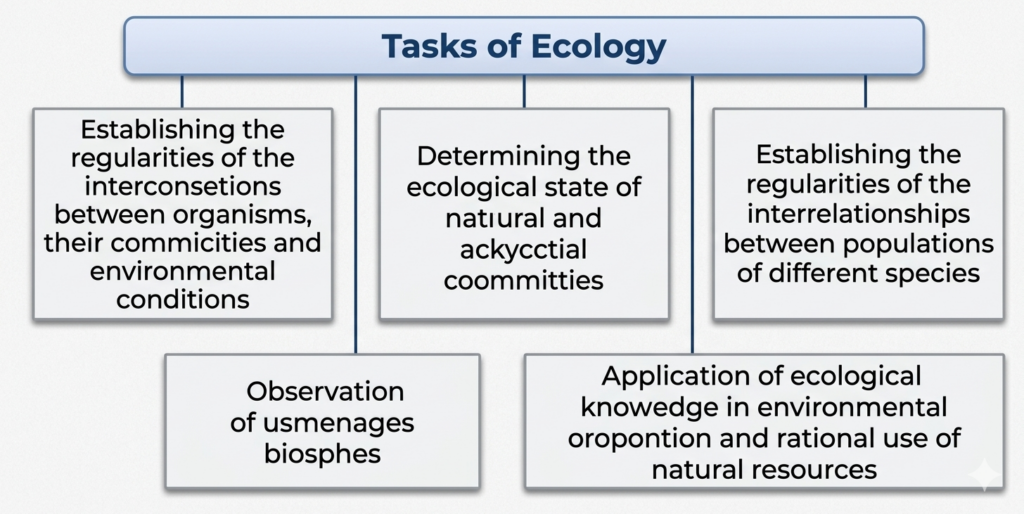
Figure 1 — Diagram illustrating the interaction between living organisms and the environment, and the main objectives of ecology
The environmental impact of industrial facilities: an overview
Industrial enterprises have a significant impact on the environment, primarily due to their high consumption of natural resources and the generation of pollution. The expansion of production capacity is inevitably accompanied by an increase in emissions of harmful substances into the atmosphere, soil and water bodies, which exacerbates the environmental burden on regions and creates complex problems relating to natural resource use. Key factors contributing to environmental degradation include the insufficient effectiveness of environmental protection agencies, low levels of adoption of resource-saving technologies, and enterprises’ often perfunctory approach to environmental issues [23].
The impact of industry is multifaceted and is determined not only by the scale of production, but also by the specific nature of the raw materials, technologies and equipment used, as well as urban planning decisions, including the layout of industrial sites. This creates a variety of pollution sources, including atmospheric emissions of nitrogen oxides, sulphur oxides, carbon monoxide and other toxic substances, arising primarily from the combustion of fossil fuels—coal, petroleum products and natural gas. Solid waste is also generated, contaminating soil and groundwater, which has a negative impact on ecosystems and public health [22][37].
Industry is the main consumer of natural resources and exerts significant anthropogenic pressure on the biosphere. In Russia, this is particularly critical, as around 15% of the country’s territory, designated as environmentally disadvantaged zones, concentrates the main industrial facilities and the population. These areas are characterised by deteriorating air and water quality, soil degradation and increased morbidity among the population, which requires urgent measures to reduce the impact [24].
There is an inherent contradiction between the need to develop the industrial sector and the preservation of environmental sustainability. Increased production leads to higher consumption of energy and raw materials, and consequently to an increase in waste and pollution. Resolving this problem requires a comprehensive approach, including the modernisation of production processes to enhance their environmental safety, the introduction of new purification and resource-saving technologies, and the transition to cleaner fuels. In particular, natural gas is recognised as the most environmentally acceptable of traditional fossil fuels, which opens up prospects for reducing the negative impact of the thermal power sector [3].
The energy sector, comprising thermal power stations (CHP plants) and nuclear power stations (NPPs), plays a key role in the structure of industrial pollution. They account for a significant proportion of electricity generation, with CHP plants emitting large quantities of pollutants into the atmosphere, including particulate matter, sulphur oxides and nitrogen oxides. Modern environmental standards and monitoring systems are aimed at controlling and reducing these emissions, but practice shows that it is difficult to achieve complete elimination of environmental risk without changing the very model of energy consumption [37].
Controlling the environmental impact of industrial facilities has become a priority for government bodies and enterprises. An important area of focus is the improvement of pollution monitoring systems, the development of regulatory documents, and the promotion of environmentally friendly technologies. This not only reduces the negative impact on the natural environment but also increases production efficiency through the rational use of resources and the minimisation of waste [24].
Ultimately, the environmental challenges facing industry are closely linked to the scale and intensity of production, the level of technical equipment, and enterprises’ environmental responsibility. These challenges can only be addressed by integrating scientific principles of ecology with industrial practices, which requires a comprehensive approach and systematic management of natural resource use within the industrial sector. The next section will be devoted to a more detailed examination of the environmental impact of specific types of industrial installations, in particular steam generators, and methods for managing their impact.
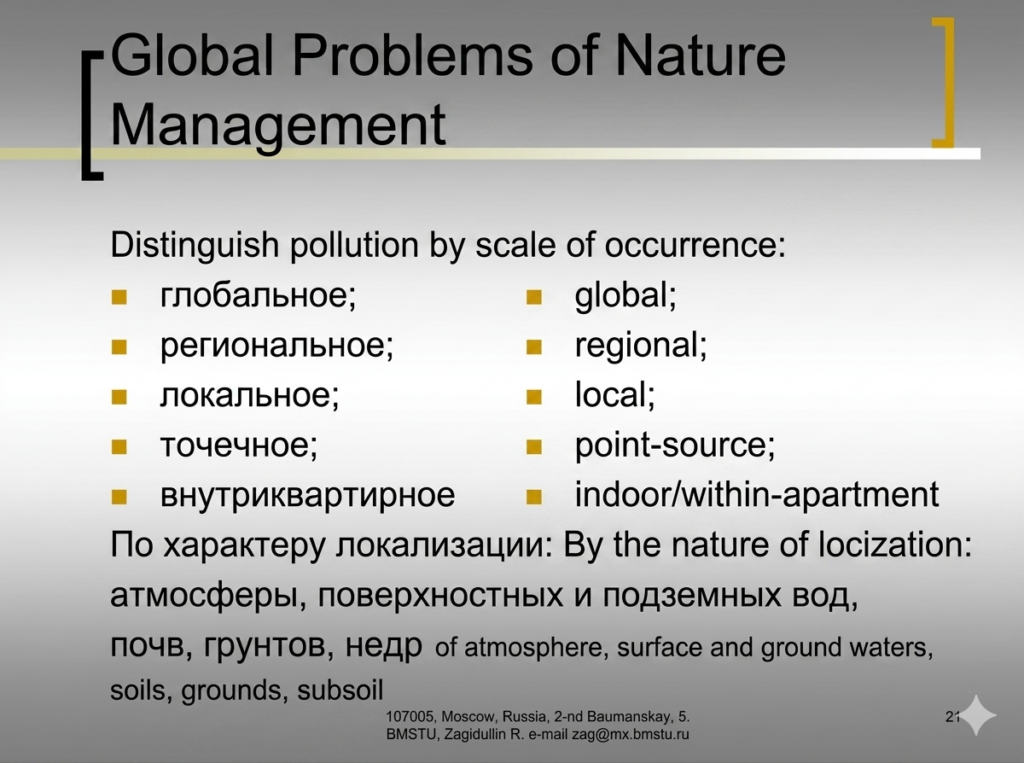
Figure 2 — Major environmental issues and pollution associated with industrial production
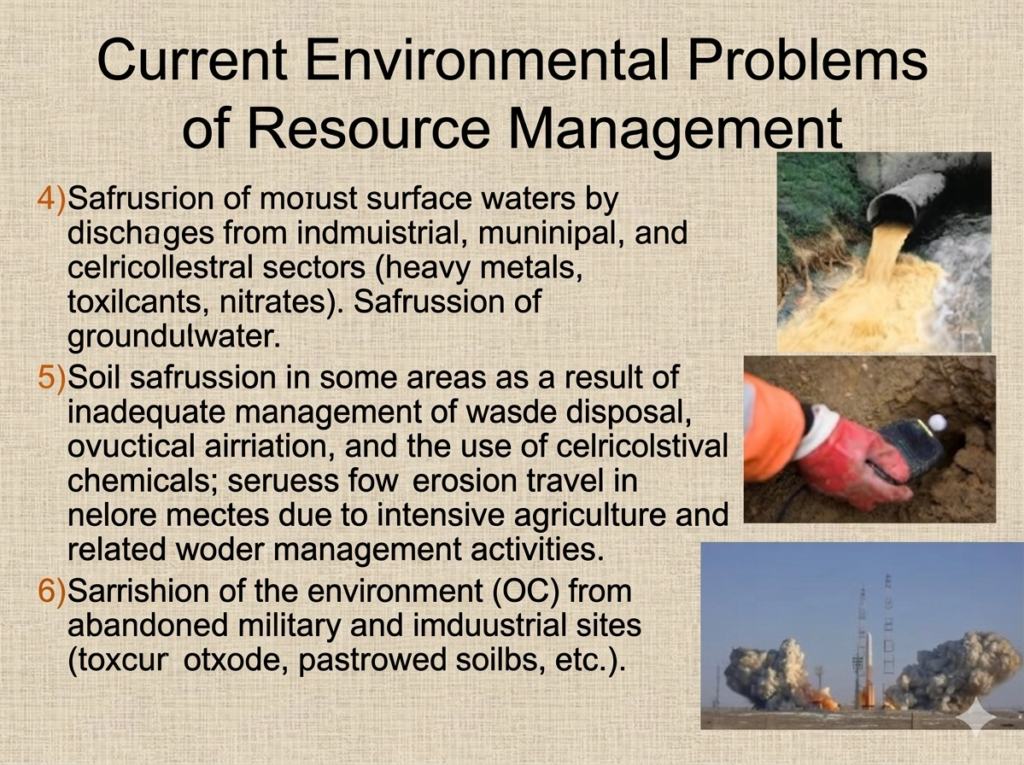
Figure 3 — Major environmental issues and pollution associated with industrial production
Steam Generators: Technical Principles and Role in Industry
A steam generator is a specialised heat exchanger designed to produce steam at pressures higher than atmospheric pressure. The main operating process is based on the transfer of heat from the primary heat transfer medium, such as a hot liquid or gas, to the water in the system, resulting in its conversion into saturated steam with an operating temperature of up to 160 °C [13][18]. In the nuclear power industry, particularly in two- and three-loop nuclear power plants, steam generators play a vital role, acting as the primary heat exchangers between the primary loop containing the nuclear reactor and the secondary steam cycle, which significantly influences the plant’s overall economic performance and efficiency [18].
The technical parameters of steam generators vary widely depending on their intended use and operating conditions. Industrial units are capable of producing steam at a capacity of 15 to 2,500 kg/h, using diesel oil, liquefied propane or natural gas for combustion at pressures ranging from 1.5 to 6 MPa. Operation requires a stable power supply with a voltage of 220/380 V and a frequency of 50 Hz, as well as a supply of industrial water at a pressure of at least 3.5 kgf/cm² [13][12][20]. The greatest attention is paid to process automation and technological safeguards, particularly in the nuclear power industry, which ensures the safety and reliability of the equipment under a wide range of operating conditions.
In terms of design, modern steam generators differ from traditional steam boilers, which is an important factor in understanding their specific characteristics and ensuring correct operation. Such units comprise a complex of internal components – tube bundles, the casing, and water heating and supply systems – and are designed for efficient heat exchange with minimal energy loss. The selection of a specific model is based on steam volumes, intended use and the characteristics of the process cycle [18][12].
Steam generators are widely used in various industrial systems, serving as a source of saturated steam for water treatment, sterilisation, heating, and in power plants. Their operation ensures a stable supply of steam of the required quality and parameters, which is critical for technological processes and energy cycles. The role of steam generators is particularly important in integrated systems, where operational stability affects the efficiency and safety of production.
Thus, the technical characteristics and operational parameters of steam generators determine their key role in industry. The next stage of the analysis requires a detailed examination of the environmental impact of operating such plants, which will enable an assessment of their contribution to the overall environmental protection system and the identification of modern approaches to managing their impact.
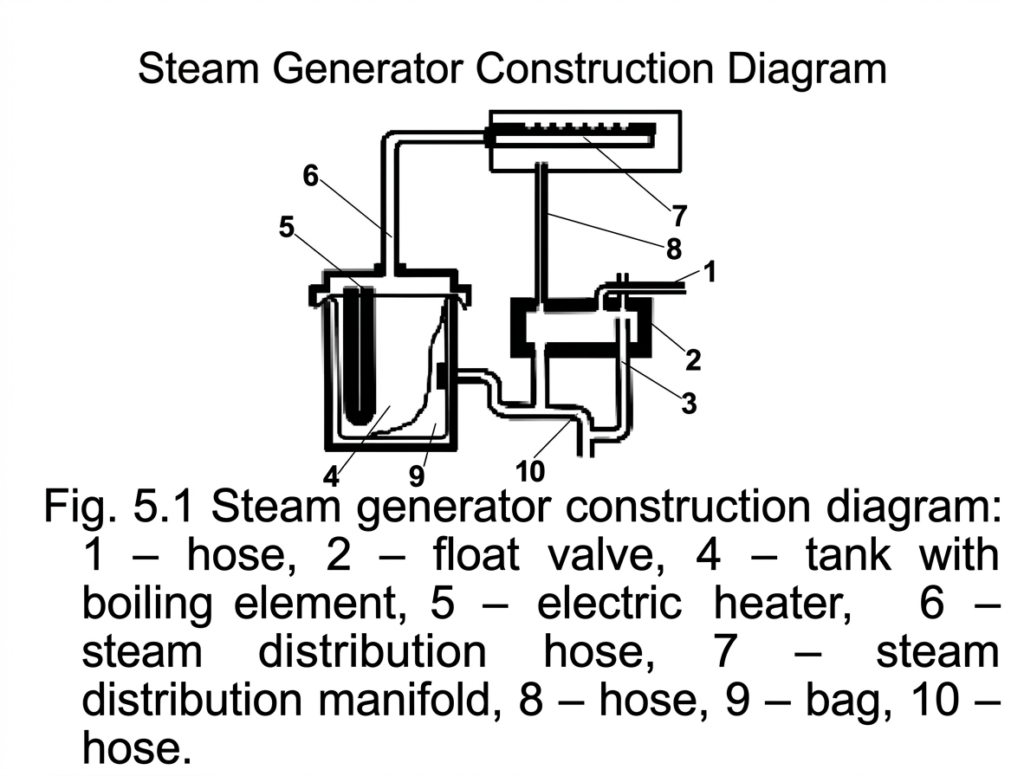
Figure 4 — Diagram of a steam generator showing the main components and how they are connected
Environmental Impact of Steam Generators: Risk Analysis
The operation of steam generators is accompanied by emissions of pollutants that significantly affect the atmospheric composition in the area where the equipment is located. When operating on natural gas, the main pollutant is nitrogen oxides (NOx), which are formed during combustion and, if the combustion process is not sufficiently optimised, may exceed regulatory limits. In ST-502 H-type units not equipped with chimneys, design features affect the distribution and treatment of emissions, requiring the use of specialised technologies to reduce concentrations of harmful substances in the air[27][36]. Emissions also include particulate matter and sulphur oxides (SOx), the origin of which is linked to fuel quality and combustion conditions.
In addition to atmospheric pollution, steam generators produce significant volumes of waste associated with the chemical cleaning of equipment. The resulting acidic solutions contain dissolved minerals, such as calcium sulphate (CaSO₄) and silicon dioxide (SiO₂), the volume of which can reach 500–2,000 litres per cycle for medium-capacity plants. To prevent adverse effects on soil and water sources, neutralisation is carried out using lime (Ca(OH)₂) to pH levels of 7–8, followed by the precipitation of the resulting sludge. This approach minimises the risk posed by effluents; however, delayed treatment or procedural errors can lead to the contamination of groundwater and surface water bodies, creating a risk of eutrophication due to high levels of total dissolved solids (TDS exceeding 5000 mg/l)[28].
Materials used in steam generators also pose a risk, in particular grade 08Х18Н10Т austenitic chromium-nickel stainless steel, which is susceptible to stress corrosion cracking, leading to pipe leaks and potential accidents. Such damage contributes to leaks of working fluids and environmental pollution, and the risk of incidents increases if preventive measures are not observed. Monitoring the condition of materials and the timely replacement of components are essential measures for minimising these technological risks[8].
In addition to chemical effects, the operation of steam generators involves physical factors: non-ionising electromagnetic radiation, noise, thermal effects, as well as fire and explosion hazards. These factors require a comprehensive assessment of work areas and the development of protective measures for personnel and the environment. Taken together, such risks can have a complex negative impact on the environmental safety of production, as they manifest themselves both locally and at the level of adjacent ecosystems.
To reduce the environmental impact, modern emission and wastewater treatment technologies are employed, including catalytic NOx reduction systems, electrostatic precipitators, as well as mechanical and chemical treatment methods. Regular maintenance and preventive measures enable a 60–80% reduction in chemical treatment waste volumes, as well as water savings of up to 30% through the recycling of sludge, which can additionally be used in the production of building materials, thereby reducing the overall environmental footprint of production[28].
Environmental management of steam generators requires a specialised approach that takes into account variations in operating modes, fuel characteristics and regional atmospheric conditions. There are regulatory frameworks, including GOST and national standards, which govern the calculation and monitoring of emissions, as well as measures to reduce pollution in accordance with Russian environmental requirements and international directives. At the same time, the economic viability of implementing environmental measures remains an important factor influencing decision-making by enterprises[36][26].
Ultimately, the operation of steam generators is associated with a variety of environmental risks, ranging from air pollution and waste generation to technological hazards arising from emergency situations. To minimise these risks, modern monitoring methods, strict compliance with standards and the implementation of innovative purification and recycling technologies are required; this will form the basis for the subsequent practical examination of mechanisms for managing and reducing environmental impact.
Principles of environmental management when operating steam generators
Environmental management in the operation of steam generators aims to adapt the fundamental principles of sustainable environmental management to the specific characteristics of this equipment, with the aim of ensuring maximum environmental efficiency in production. First and foremost, attention is paid to integrating the monitoring of steam generator operating parameters and the assessment of their environmental footprint into the overall enterprise management system. This enables the timely identification of deviations in emissions, wastewater quality and the condition of technical systems, which facilitates the adoption of operational and strategic decisions to reduce negative impacts[10].
One of the key elements is the development of regulations and standard operating procedures aimed at compliance with environmental legislation and standards established based on risk analysis. These documents include rules for operation, maintenance and repair, as well as measures to prevent emergencies related to leaks or equipment malfunction. Their implementation is ensured through an internal environmental monitoring system that continuously tracks emission and waste quality indicators[11].
The implementation of an environmental management system for steam generators is based on ISO 14001:2015 and ISO 14005:2019, which provide a framework for planning, implementing and improving the company’s environmental policy. A key component is the rethinking of business processes using re-engineering tools aimed at optimising energy consumption, reducing raw material costs and minimising waste generation. Such a systematic restructuring improves not only environmental safety indicators but also the economic efficiency of operations[34][2].
Staff training in environmental responsibility plays a significant role in the successful operation of steam generators. Specialists must possess knowledge of the principles of environmental management, the specifics of the technological process and preventive measures, which contributes to the development of a culture of environmental management in production. Regular training and information support for staff help to reduce the likelihood of human error affecting environmental safety[10][11].
Engagement with stakeholders, including regulatory bodies, local communities and environmental organisations, promotes transparency in production activities and builds trust in the company. Open dialogue enables the company to take external expectations and requirements into account, adjust plans to reduce environmental impact, and enhance its social responsibility. These measures strengthen the company’s market position and create conditions for long-term sustainable development[10][2].
An example of the successful application of environmental management is the experience of OJSC ‘Elemash Machine-Building Plant’, where environmental monitoring systems, waste management procedures and production re-engineering processes have been effectively integrated. As a result, significant reductions in negative impacts on the natural environment have been achieved, alongside increased productivity and competitiveness[2].
Thus, environmental management in the operation of steam generators is implemented through a set of measures, including monitoring and control, process standardisation, staff training and engagement with the community. This approach contributes to optimising equipment performance and reducing the environmental footprint without compromising the enterprise’s economic activity, which is in line with modern requirements for the rational and sustainable development of industry.
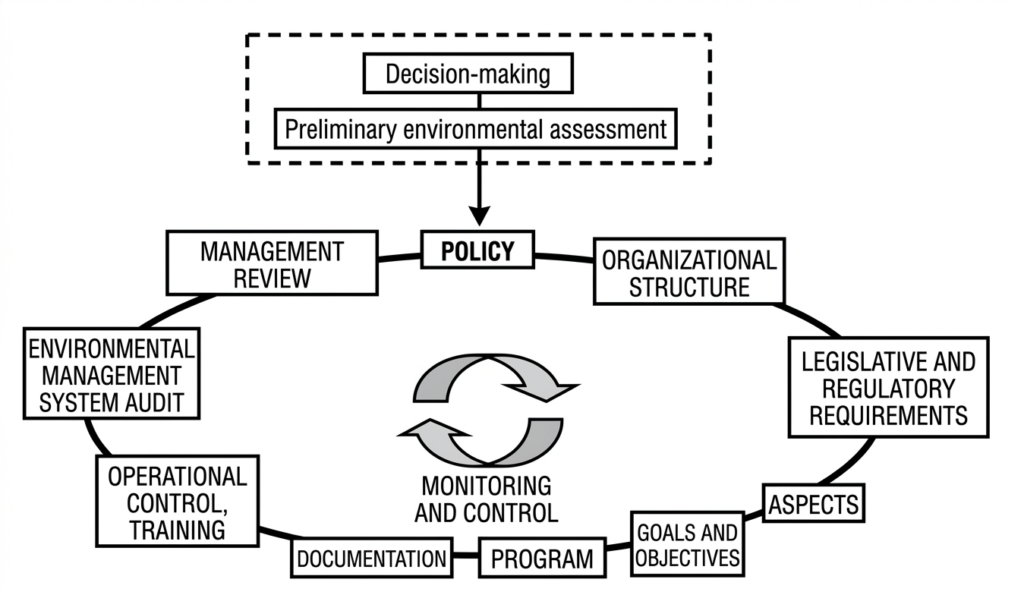
Figure 6 — Environmental management framework for optimising steam generator performance and reducing pollution
Emission control technologies and environmental monitoring
Modern emission control technologies for steam generators comprise a range of methods designed to remove both gaseous and aerosol pollutants. Wet methods—scrubbers—are widely used to treat gaseous emissions; these absorb harmful components such as acids, ammonia and sulphur dioxide in water or chemical solutions, such as alkalis. These devices ensure effective binding of soluble impurities, reducing the concentration of acidic gases and microemissions in the exhaust air[17].
Physical methods are used to capture solid particles in emissions, including filtration using fabric or electrostatic filters. Such technologies enable the reduction of dust and suspended solids typical of steam generators operating on liquid and gaseous fuels. The removal of aerosols using wet systems further contributes to the reduction of resinous and oily impurities, thereby lowering the risk of toxic compounds accumulating in the atmosphere[16].
When selecting and implementing purification systems, criteria such as technological applicability, minimisation of environmental impact, cost-effectiveness and implementation timelines are taken into account. Particular attention is paid to best available technologies (BAT), which ensure maximum emission reductions at optimal costs and are adapted to the specific nature of production[6][5].
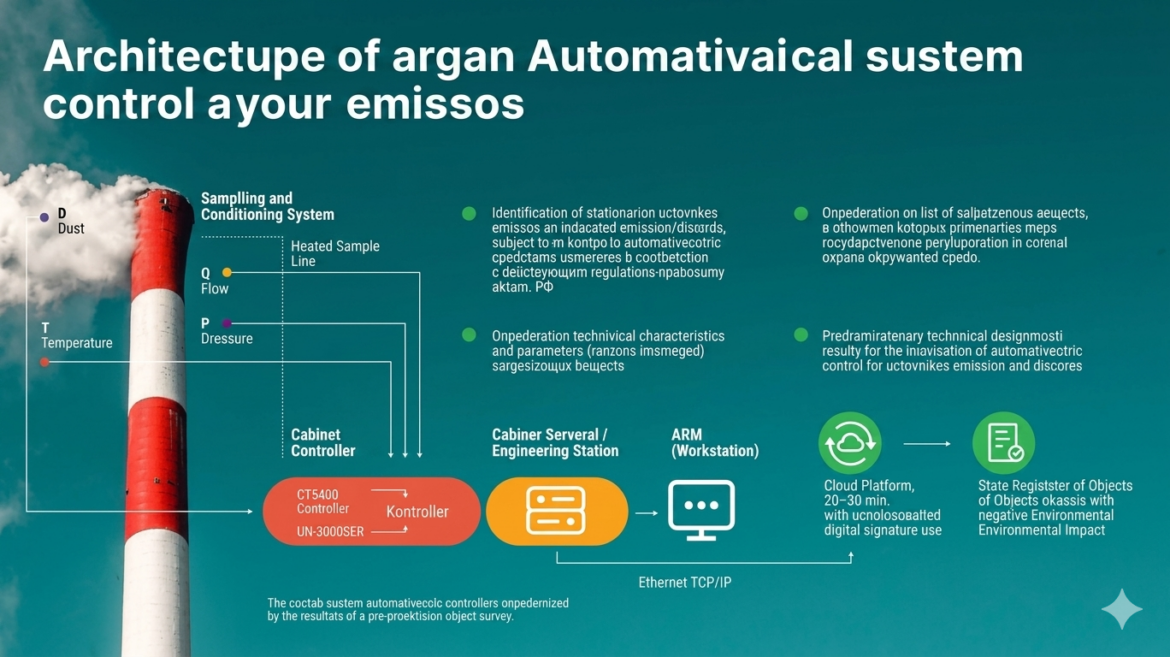
Monitoring of ambient air quality at industrial sites is carried out using automated continuous monitoring systems. Gas analysis systems, such as ‘Environnement S.A.’ (France), equipped with sensors for measuring temperature, humidity, flow rate, as well as the content of gaseous components and dust, enable real-time data collection. The key pollutants measured are SO₂, NOx, NH₃ and particulate matter, which provides a comprehensive picture of the quality of emissions[9].
Modern methods of chemical analysis of gaseous emissions include infrared (IR) and ultraviolet (UV) spectroscopy, as well as laser photometers, which ensure high accuracy and speed of measurement. The ‘Metran AG500’ analysers, which utilise DOAS UV technology and quantum cascade lasers, allow for a detailed analysis of the composition of emissions with minimal interference in the process and a high level of automation[9][17].
The treatment of steam generator wastewater in industrial settings is carried out using chemical and physico-chemical methods. Acidic solutions are neutralised using lime milk (Ca(OH)₂) to stabilise the pH within the range of 7–8, thereby preventing corrosive effects on infrastructure and environmental sites. The sludge formed during the neutralisation process is filtered and dewatered, followed by disposal or industrial use, which reduces the overall environmental footprint of production[16].
Automated monitoring employs a combined approach using extractive analysis on both a cold (dry) and hot (wet) basis, allowing for the nuances of gas mixtures and their seasonal fluctuations to be taken into account. At the same time, automated systems significantly reduce the influence of human error, ensuring the stability and reproducibility of data, which is critical for a rapid response to instances where pollution limits are exceeded[9].
The application of the technologies and monitoring systems described above enables industrial enterprises operating steam generators to meet established environmental standards and significantly reduce their negative impact on atmospheric air and water resources. This contributes not only to maintaining the ecological balance of the local environment, but also to improving production efficiency through the optimisation of purification processes and operational monitoring[5].
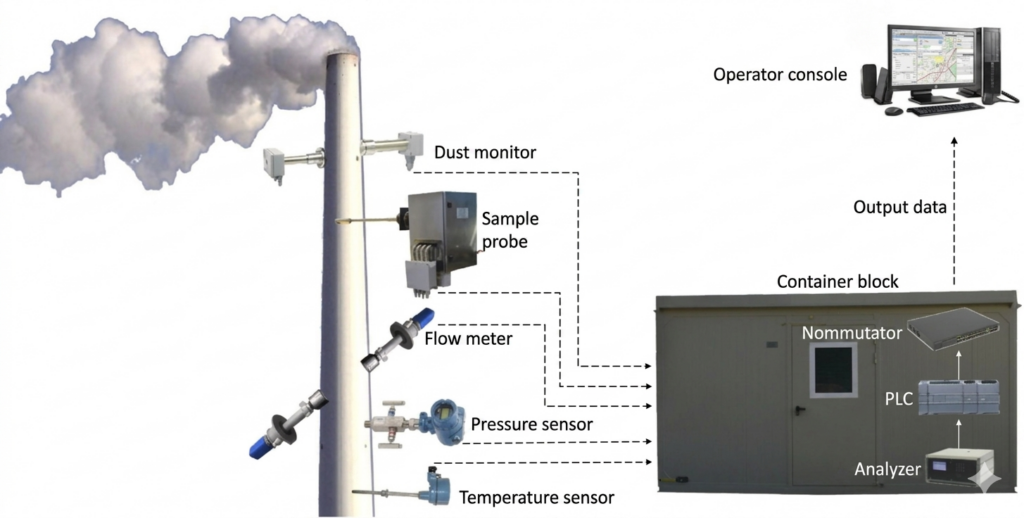
Figure 7 — Architecture of emission filtration and automatic environmental monitoring systems

Figure 8 — Architecture of emission filtration and automatic environmental monitoring systems
Practical case studies on reducing the environmental impact of steam generators
These practical examples demonstrate the successful implementation of steam generators in domestic and industrial settings as a means of reducing negative environmental impact. The use of hot dry steam allows for the effective softening and removal of dirt, including grease stains on carpets and microbial deposits in sanitary areas, without the use of harsh chemicals. Replacing household cleaning products in this way reduces the volume of toxic emissions into the atmosphere and decreases wastewater pollution by reducing the use of detergent components[32].
A number of enterprises have introduced steam generator operating modes with optimised steam pressure, which allows for increased cleaning efficiency with minimal energy consumption. For example, regulating the pressure to 11 bar in large-scale installations has improved the removal of stubborn dirt without increasing fuel consumption, which simultaneously reduces emissions of nitrogen oxides and carbon dioxide. Experience has also shown that the use of microfibre pads in conjunction with steam prevents streaking on surfaces and reduces the number of re-treatments, which further lowers the overall environmental impact[29][35].
In the textile and clothing industry, steam generators are used to deodorise and refresh items without the need for frequent full washes. This practice reduces water and detergent consumption, eases the burden on wastewater treatment systems and extends the lifespan of fabrics, thereby reducing the local and global environmental pressure associated with traditional methods of cleaning clothes[1].
Furthermore, in the commercial and public services sectors, cleaning systems based on steam generators are being introduced, which reduces the amount of chemicals used, the costs of cleaning equipment and the time required for procedures, whilst simultaneously improving hygiene standards and reducing the impact on the health of staff and residents. This enhances the social responsibility of manufacturers and users of the equipment and creates a favourable environment both indoors and in adjacent ecosystems[29].
The examples listed confirm the need for a comprehensive approach to environmental training for specialists responsible for the operation and maintenance of steam generators. Educational programmes should cover not only the technical aspects of equipment operation, but also issues of environmental assessment, optimisation of operating modes, selection of materials, and the implementation of innovative solutions to reduce environmental impact. Such an approach will ensure the development of professionals capable of effectively managing environmental safety in industry and domestic settings.
Training programmes as a means of professional development for specialists
Training programmes designed to train personnel in the field of industrial environmental management cover the range of knowledge and skills required for the responsible management of environmental protection measures during the operation of steam generators and other industrial facilities. A key component of such programmes is the study of environmental management systems in accordance with the international standard ISO 14001:2015, which provides a methodological basis for the implementation and auditing of environmental policy within organisations[4][7].
The training is based on the principles of sustainable development, providing not only theoretical training but also practical sessions on environmental risk assessment, monitoring the performance parameters of production equipment, and organising internal environmental control. This approach enables specialists not only to reduce the negative impact of enterprises on the environment, but also to improve the environmental efficiency of production by integrating the requirements of legislation and international directives into technological processes[21].
Training options include full-time, part-time and distance learning formats, allowing students to combine their studies with professional activities. The availability of official diplomas and standardised certificates facilitates the recognition of qualifications and the professional development of specialists in the field of industrial ecology. Training centres offering such programmes, such as the Moscow-based ‘NCPO’ or regional centres, for example in Kaluga, ensure the accessibility of education and provide advisory support to students[25][19].
The high cost of training is offset by instalment plans, state-supported loans and discounts, which broadens access to high-quality staff training for enterprises striving for environmental responsibility. The programmes are designed to train specialists capable of developing and implementing comprehensive environmental management programmes, carrying out monitoring and audits, and organising interaction with regulatory and public bodies[7][21].
Thus, comprehensive education in the field of environmental management forms the basis for enhancing staff qualifications and professional competence, which is an essential prerequisite for the sustainable development of the industrial sector, taking into account modern environmental protection requirements. Investment in such educational programmes contributes to the implementation of effective environmental risk management methods, the improvement of environmental protection activities, and the strengthening of enterprises’ market position.
Conclusion
The research conducted has resulted in the development of a comprehensive curriculum that combines fundamental knowledge in the fields of ecology and environmental management with the technical aspects of steam generator operation. This integrated approach ensures a thorough understanding of the environmental significance of steam generators and the methods for reducing their negative impact on the natural environment. The material developed is aimed at students in technical and educational fields, broadening their expertise and preparing them to tackle real-world environmental safety challenges in industry.
An analysis of the technical characteristics of steam generators has identified a wide range of factors affecting the quality of air, water resources and soil in the areas where they are operated. Particular attention has been paid to the chemical composition of emissions, as well as the generation and disposal of production waste. An assessment of the risks associated with the operation of this equipment has highlighted the need for continuous monitoring, preventive maintenance and the application of modern purification technologies to minimise environmental damage. Practical case studies have confirmed the effectiveness of implementing optimised operating modes and innovative purification methods in reducing the environmental impact.
The environmental management principles developed as part of the project are based on international standards and aim to integrate environmental protection requirements into production processes. A key component is a systematic approach to emissions and waste control, staff training and engagement with stakeholders. This approach contributes not only to reducing pollution but also to enhancing the overall sustainability of enterprises, which is reflected in the socio-economic performance of their operations.
Technological solutions for emissions treatment and environmental monitoring have proven their effectiveness when implemented at industrial sites. The use of scrubbers, electrostatic precipitators, automated analysis systems and modern wastewater treatment methods ensures compliance with regulatory requirements and contributes to the preservation of biodiversity and public health in neighbouring areas.
Of particular importance is the development and implementation of educational programmes that equip future specialists with a comprehensive set of environmental knowledge and practical skills. This helps to improve the quality of training for personnel needed to implement strategies for sustainable development and effective natural resource management in industry. Investment in education and professional development is becoming a key factor in successful environmental management.
To summarise the findings, it can be noted that the creation of a comprehensive training system, taking into account the technical, environmental and managerial aspects of steam generators, contributes to the development of competent personnel capable of effectively implementing measures to reduce negative environmental impacts.
The implementation of the knowledge and methodological developments obtained ensures an improvement in the environmental situation at industrial enterprises and forms the basis for further research and the development of sustainable technologies.
Bibliography
1. 15 ideas for using a steam generator in the home [Electronic resource] // seven-shop.ru – Access mode: https://seven-shop.ru/blog/interesnoe/15-idey-primeneniya-parogeneratora-v-bytu/, free. – Title from screen
2. ‘Environmental management system at… [Electronic resource] // scienceforum.ru – Access mode: https://scienceforum.ru/2013/article/2013008760, free. – Title from screen
3. The impact of industry on the environment – Umschool Textbook [Electronic resource] // umschool.net – Access mode: https://umschool.net/library/geografiya/vliyanie-promyshlennosti-na-okruzhayushhuyu-sredu/, free. – Title from screen
4. Where to study to become an environmental manager, which A-levels to take, where to apply [Electronic resource] // postupi.online – Access mode: https://postupi.online/professiya/menedzher-ekolog/programmi/, free. – Title from screen
5. ITS NDT 22-2016_final_4 [Electronic resource] // www.mircond.com – Access mode: https://www.mircond.com
6. Information and technical handbook on… — Kontur.Normativ [Electronic resource] // normativ.kontur.ru – Access mode: https://normativ.kontur.ru/document?moduleId=1&documentId=386163, free. – Title from screen
7. Advanced training course: Environmental management system… [Electronic resource] // www.cntiprogress.ru – Access mode: https://www.cntiprogress.ru/seminarsforcolumn/26045.aspx, free. – Title from screen
8. Localised fouling of steam generator tubes. One of the main… [Electronic resource] // www.j-atomicenergy.ru – Access mode: https://www.j-atomicenergy.ru/index.php/ae/article/download/3331/3237, free. – Title from screen
9. Ministry of General and Vocational Education [Electronic resource] // elib.osu.ru – Access mode: https://elib.osu.ru/bitstream/123456789/8273/1/%D0%A7%D0%B5%D0%BA%D0%BC%D0%B0%D1%80%D0%B5%D0%B2%D0%B0.pdf, free access. – Title from screen
10. L.M. Kapustina, M.S. Agababaev, K.Ch. Akberov, N.M. Agababaeva SOME ASPECTS OF THE IMPLEMENTATION OF AN ENVIRONMENTAL MANAGEMENT SYSTEM AT INDUSTRIAL ENTERPRISES // Natural and Humanitarian Studies. 2024. No. 5 (55). URL: https://cyberleninka.ru/article/n/nekotorye-aspekty-vnedreniya-sistemy-ekologicheskogo-menedzhmenta-na-promyshlennyh-predpriyatiyah (11 March 2026).
11. BASICS OF ECOLOGY [Electronic resource] // library.voenmeh.ru – Access mode: http://library.voenmeh.ru/cnau/0aPY79bA2vDZ0TA.pdf, free. – Title from screen
12. General Passport-21.12.09..doc [Electronic resource] // www.ooostroiteli.com – Access mode: https://www.ooostroiteli.com/images/Parogenerator-PEE.pdf, free. – Title from screen
13. Main types of industrial steam generators – principle… [Electronic resource] // www.smsm.ru – Access mode: https://www.smsm.ru/articles/kak-rabotayut-promyshlennye-parogeneratory/, free. – Title from screen
14. Fundamentals of Ecology and Environmental Management: A Study Guide on… [Electronic resource] // kpfu.ru – Access mode: https://kpfu.ru/staff_files/F1270956712/UchebPosobEkologiya.pdf, free. – Title from screen
15. Bezborodova E.V. FEATURES OF THE USE OF MODERN METHODS OF ENVIRONMENTAL MANAGEMENT // World Science. 2021. No. 7 (52). URL: https://cyberleninka.ru/article/n/osobennosti-ispolzovaniya-sovremennyh-metodov-upravleniya-ohranoy-okruzhayuschey-sredy (09.12.2024).
16. Air purification in industry: the purpose of filters, methods… [Electronic resource] // sibelkon.ru – Access mode: https://sibelkon.ru/base/ochistka-vozduxa-na-proizvodstve-naznachenie-filtrov,-metody-ochistki/, free. – Title from screen
17. Emission purification in industry: the purpose of filters… [Electronic resource] // neoengin.ru – Access mode: https://neoengin.ru/blog/ochistka-vybrosov-na-proizvodstve-naznachenie-filtrov-metody-ochistki/, free. – Title from screen
18. Steam generator — Wikipedia [Electronic resource] // ru.wikipedia.org – Access mode: https://ru.wikipedia.org
19. Professional development under the ‘Environmental…’ programme [Electronic resource] // kaluga.aprofpk.ru – Access mode: https://kaluga.aprofpk.ru/services/kursy-povysheniya-kvalifikatsii/menedzhment/ekologicheskij-menedzhment-i-audit-na-baze-standartov-iso/, free access. – Title from screen
20. ‘Principle of operation of an industrial steam generator – Group… [Electronic resource] // tdeko.com – Access mode: https://tdeko.com/poleznoe/printsip-raboty-promyshlennogo-parogeneratora/, free. – Title from screen
21. Retraining programme ‘Industrial Ecology… ’ [Electronic resource] // f-igz.udsu.ru – Access mode: https://f-igz.udsu.ru/dopolnitelnoe_obrazovanie/programma-perepodgotovki-promyshlennaya-ekologiya-i-ekologicheskij-menedzhment, free. – Title from screen
22. Industrial Production and the Environment – Energy… [Electronic resource] // www.eprussia.ru – Access mode: https://www.eprussia.ru/epr/253/16331.htm, free. – Title from screen23. Temirzhanov R.A. INDUSTRIAL PRODUCTION AS A CONSEQUENCE OF ENVIRONMENTAL PROBLEMS FOR THE ENVIRONMENT // International Journal of Humanities and Natural Sciences. 2021. No. 10-2. URL:
https://cyberleninka.ru/article/n/promyshlennoe-proizvodstvo-kak-sledstvie-ekologicheskih-problem-dlya-okruzhayuschey-sredy (20.12.2024).
24. Industry and Natural Resource Use [Electronic resource] // ecoportal.su – Access mode: https://ecoportal.su/public/industry/view/1586.html, free. – Title from screen
25. Industrial Ecology, Waste Utilisation and Environmental Management… [Electronic resource] // vuzopedia.ru – Access mode: https://vuzopedia.ru/program/bakispec/3034, free. – Title from screen
26. Calculation of pollutant emissions from fuel combustion. .. [Electronic resource] // portal.tpu.ru – Access mode: https://portal.tpu.ru/SHARED/b/BONDLI/stud_work/prom/Tab1/kotel.pdf, free. – Title from screen
27. Calculation of emissions from a steam generator – Forum for environmentalists [Electronic resource] // forum.integral.ru – Access mode: https://forum.integral.ru/viewtopic.php?t=26334, free. – Title from screen
28. Guide to cleaning an industrial steam generator from… [Electronic resource] // avcd.by – Access mode: https://avcd.by/rukovodstvo-po-ochistke-promyshlennogo-parogeneratora/, free access. – Title from screen
29. What types of contamination can a steam cleaner handle [Electronic resource] // www.timberk.ru – Access mode: https://www.timberk.ru/articles/dlya-doma/s-kakimi-zagryazneniyami-pomozhet-spravitsya-paroochistitel/, free access. – Title from screen
30. MODERN ECOLOGY [Electronic resource] // repo.ssau.ru – Access mode: https://repo.ssau.ru/bitstream/Uchebnye-izdaniya/Sovremennaya-ekologiya-103931/1/978-5-7883-1902-5_2023.pdf, free access. – Title from screen
31. Sochi [Electronic resource] // npsochi.ru – Access mode: https://npsochi.ru/upload/iblock/1c5/rghuaxx0juv8q4o3gz5u0d92gc9uzjj3.pdf, free. – Title from screen
32. Technology against dirt: why a steam cleaner is better than a vacuum cleaner.. . [Electronic resource] // www.ntv.ru – Access mode: https://www.ntv.ru/novosti/702937/, free. – Title from screen
33. CONDITION MANAGEMENT [Electronic resource] // elib.timacad.ru – Access mode: https://elib.timacad.ru/dl/full/s20122022Evgrafov.pdf/download/s20122022Evgrafov.pdf, free access. – Title from screen
34. Federal State Autonomous Educational… [Electronic resource] // elar.urfu.ru – Access mode: https://elar.urfu.ru/bitstream/10995/38712/1/urfu1535_d.pdf, free. – Title from screen
35. Steam cleaning: 9 answers to the most important questions.. . [Electronic resource] // karcher-stuttgart.by – Access mode: https://karcher-stuttgart.by/blog/sovety-pokupatelyam/chistka-parom-9-otvetov-na-samye-vazhnye-voprosy-o-paroochistitelyakh/, free. – Title from screen
36. Environmental priorities for boiler equipment in Russia. [Electronic resource] // isguru.ru – Access mode: https://isguru.ru/stati/gazosnabzhenie/7941-ekologicheskie-prioritety-kotelnogo/, free. – Title from screen37. Production ecology: the negative impact of industry… [Electronic resource] // fabricators.ru – Access mode: https://fabricators.ru/article/ekologiya-promyshlennosti,