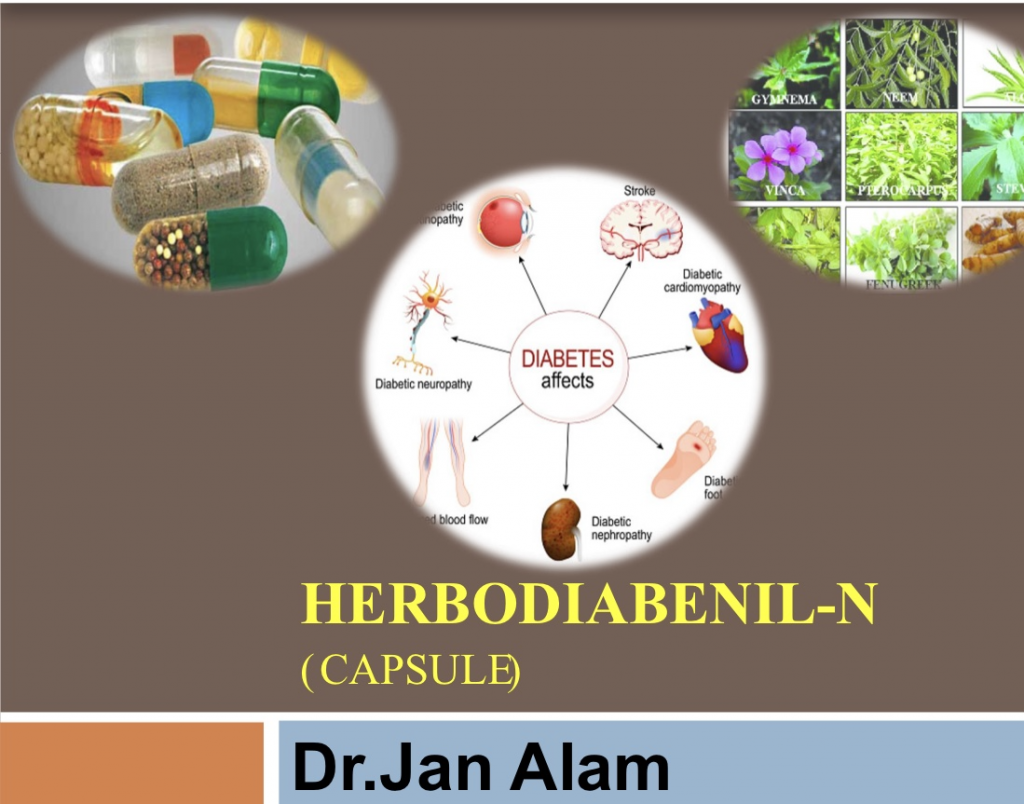
What is Diabetes.
- Diabetes is a chronic (long-lasting) health condition that affects how your body turns food into energy.
- Type 1 Diabetes
- Type 1 diabetes is thought to be caused by an autoimmune reaction (the body attacks itself by mistake) that stops your body from making insulin.
- Type 2 Diabetes
- With type 2 diabetes, your body doesn’t use insulin well and can’t keep blood sugar at normal levels. About 90-95% of people with diabetes have type 2.
Diabetes Risk Factors.
Type 1 Diabetes
- Type 1 diabetes is thought to be caused by an immune reaction (the body attacks itself by mistake). Known risk factors include:
- Family history: Having a parent, brother, or sister with type 1 diabetes.
- Age: You can get type 1 diabetes at any age, but it’s more likely to develop when you’re a child, teen, or young adult. Type 2 Diabetes
You’re at risk for developing type 2 diabetes if you:
- Have prediabetes
- Are overweight
- Are 45 years or older
- Have a parent, brother, or sister with type 2 diabetes
- Are physically active less than 3 times a week
- Have ever had gestational diabetes (diabetes during pregnancy) or given birth to a baby who weighed more than 9 pounds
Diabetes Symptoms.
If you have any of the following diabetes symptoms, see your doctor about getting your blood sugar tested:
- Urinate (pee) a lot, often at night
- Are very thirsty
- Lose weight without trying
- Are very hungry
- Have blurry vision
- Have numb or tingling hands or feet
- Feel very tired
- Have very dry skin
- Have sores that heal slowly
- Have more infections than usual
Diabetes Tests
1. Fasting Blood Sugar Test 2. Glucose Tolerance Test 3. Random Blood Sugar Test 4. Tests for Gestational Diabetes 5. Glucose Screening Test 6. A1C Test
Signs and symptoms of type 2 diabetes.
Signs and symptoms of type 2 diabetes often develop slowly. In fact, you can be living with type 2 diabetes for years and not know it. When signs and symptoms are present, they may include:
- Increased thirst
- Frequent urination
- Increased hunger
- Unintended weight loss
- Fatigue
- Blurred vision
- Slow-healing sores
- Frequent infections
- Numbness or tingling in the hands or feet
- Areas of darkened skin, usually in the armpits and neck