POTENTIAL ANTIPARASITIC EFFECTS OF TURPENTINE ESSENTIAL OIL AGAINST EURYTREMA PANCREATICUM: A REVIEW AND PERSPECTIVES

Prof Dr Olivier PONS
Abstract
Eurytrema pancreaticum is a trematode parasite that primarily infects the pancreas of ruminants, causing significant economic losses in tropical and subtropical regions. Conventional anthelmintic treatments show variable efficacy and raise increasing concerns regarding parasite resistance and environmental impact. Essential oils, particularly turpentine essential oil, have gained attention as natural alternatives in veterinary parasitology. This paper provides a critical review of the literature on E. pancreaticum, the biological mechanisms of turpentine essential oil, and its potential antiparasitic effects. Available evidence suggests that major monoterpenes in turpentine oil, such as α-pinene and β-pinene, exhibit anthelmintic properties, although specific data against E. pancreaticum remain scarce. Future experimental research perspectives are discussed to assess efficacy, toxicity, and practical applications of turpentine essential oil in the control of eurytrematosis.
Keywords: Eurytrema pancreaticum, essential oil, turpentine, antiparasitic activity, ruminants, trematodes
1. Introduction
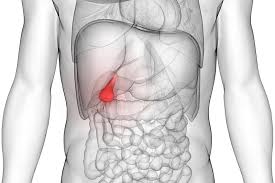
Parasitic infections in ruminants are a major animal health problem worldwide. Among these, eurytrematosis, caused by Eurytrema pancreaticum, remains relatively neglected compared to other fluke infections such as fasciolosis. This parasite primarily affects the pancreas of cattle, buffaloes, sheep, and goats, leading to digestive disorders, reduced milk production, and impaired growth (Soulsby, 1982).
Conventional treatments rely mainly on chemical anthelmintics, whose effectiveness against E. pancreaticum is sometimes limited. Furthermore, the emergence of parasite resistance and concerns about drug residues in animal products encourage the exploration of more sustainable therapeutic alternatives (Kaplan & Vidyashankar, 2012).
In this context, essential oils derived from aromatic plants represent a promising avenue. Turpentine essential oil, mainly extracted from species of the genus Pinus, is known for its antimicrobial, insecticidal, and antiparasitic properties. This article aims to examine the potential of this essential oil against E. pancreaticum, based on current knowledge in parasitology and veterinary phytotherapy.
2. Eurytrema pancreaticum: Biology and Veterinary Impact
2.1. Taxonomy and Life Cycle
Eurytrema pancreaticum belongs to the class Trematoda, order Plagiorchiida. Its life cycle is complex and involves two intermediate hosts: a terrestrial gastropod and an insect (usually a grasshopper), before infesting the definitive ruminant host (Sakamoto et al., 2000).
2.2. Pathogenesis and Clinical Signs
The infestation is often chronic and subclinical. However, high parasite loads can cause chronic pancreatitis, pancreatic fibrosis, and metabolic disorders. Infected animals show a decrease in feed conversion ratio and reduced productivity (Jithendran & Bhat, 1999).
2.3. Limitations of Current Treatments
Common anthelmintics, such as praziquantel or albendazole, show variable efficacy against E. pancreaticum. Their repeated use promotes the development of resistance and raises environmental concerns (Geary et al., 2012).
3. Turpentine Essential Oil
3.1. Origin and Chemical Composition
Turpentine essential oil is obtained by distilling the resin of various pine species (Pinus pinaster, Pinus sylvestris). It is mainly composed of monoterpenes, including α-pinene, β-pinene, limonene, and camphene (Tisserand & Young, 2014).
3.2. Biological Properties
Numerous studies have demonstrated the antimicrobial, antifungal, and insecticidal properties of turpentine. These effects are attributed to the lipophilic action of monoterpenes, which can disrupt cell membranes and metabolic functions of target organisms (Bakkali et al., 2008).
4. Antiparasitic Activity of Essential Oils
4.1. General Mechanisms of Action
Essential oils primarily act through:
Alteration of cell membranes,
Enzyme inhibition,
Oxidative stress,
Disruption of the neuromuscular system of parasites (Anthony et al., 2005).
4.2. Data on Trematodes
Several essential oils have demonstrated activity against trematodes such as Fasciola hepatica and Schistosoma spp. Although few studies directly target E. pancreaticum, these results suggest a transferable potential (Keiser & Utzinger, 2007).
5. Turpentine Essential Oil vs Eurytrema pancreaticum
5.1. Efficacy Hypotheses
The physiological similarity between E. pancreaticum and other trematodes sensitive to monoterpenes supports the hypothesis of potential efficacy of turpentine. α-Pinene, in particular, has demonstrated anthelmintic activity in vitro (Katiki et al., 2011).
5.2. Limitations and Risks
Turpentine essential oil may exhibit toxicity at high doses in mammals. Its use should therefore be carefully assessed in terms of dosage, route of administration, and residues in animal products.
6. Research Perspectives
Future studies should include:
– in vitro tests on E. pancreaticum,
– controlled in vivo trials in ruminants,
– toxicological assessments,
– cost-effectiveness analyses compared to conventional anthelmintics.
7. Conclusion
Turpentine essential oil represents a promising avenue in the search for natural alternatives for the control of Eurytrema pancreaticum. However, the lack of specific experimental data necessitates caution. Thorough research is required before any human or veterinary application.
References (APA 7th edition)
Anthony, J. P., Fyfe, L., & Smith, H. (2005). Plant active components—a resource for antiparasitic agents? Trends in Parasitology, 21(10), 462–468.
Bakkali, F., Averbeck, S., Averbeck, D., & Idaomar, M. (2008). Biological effects of essential oils. Food and Chemical Toxicology, 46(2), 446–475.
Geary, T. G., Hosking, B. C., Skuce, P. J., et al. (2012). World Association for the Advancement of Veterinary Parasitology. Veterinary Parasitology, 186(1–2), 70–77.
Jithendran, K. P., & Bhat, T. K. (1999). Prevalence of pancreatic fluke. Veterinary Parasitology, 81, 37–43.
Kaplan, R. M., & Vidyashankar, A. N. (2012). An inconvenient truth. Veterinary Parasitology, 186, 70–78.
Katiki, L. M., et al. (2011). Anthelmintic activity of essential oils. Veterinary Parasitology, 183, 267–276.
Keiser, J., & Utzinger, J. (2007). Advances in the discovery of trematocidal drugs. Trends in Parasitology, 23, 555–562.
Sakamoto, T., et al. (2000). Life cycle of Eurytrema pancreaticum. Journal of Parasitology, 86, 854–859.
Soulsby, E. J. L. (1982). Helminths, arthropods and protozoa of domesticated animals. Baillière Tindall.
Tisserand, R., & Young, R. (2014). Essential oil safety. Churchill Livingstone.