By Dr Neron Nam , PhD, Professor
Introduction
Hirudotherapy is a treatment method that utilises medicinal leeches as a source of biologically active substances capable of influencing various physiological processes in the human body. This approach is based on a systemic effect, which implies not only a local but also a general regulatory influence on the functions of organs and tissues, enabling a comprehensive correction of pathological conditions.
Modern research has identified a wide range of components contained in leech saliva, including enzymes, biogenic amines and unique proteins that affect blood circulation, the immune system, the blood coagulation system and inflammatory processes. As a result, hirudotherapy is capable of exerting analgesic, anti-inflammatory and anticoagulant effects, making it effective both as a standalone treatment and as part of a comprehensive therapy for various conditions.
This method is attracting attention due to the growing need to find alternative methods, or those that complement traditional therapeutic approaches, capable of reducing the burden on the body and minimising the undesirable effects of drug therapy. Hirudotherapy is applicable to a wide range of chronic conditions, including circulatory disorders, arthritis, skin conditions and dental problems, which underscores the relevance of its study and implementation in clinical practice.
This study focuses on the historical development of the method, which helps to understand the transformation and adaptation of hirudotherapy in medical practice over the centuries. An analysis of the biological properties of the medicinal leech and the pharmacological effects of its salivary secretions demonstrates the modern scientific rationale for the method’s efficacy.
A particular focus of the study is the description of the mechanisms of the systemic action of hirudotherapy, which include a complex influence on haemodynamics, the immune response, the regulation of inflammatory processes, and metabolism. The practical application of the method in various chronic diseases is examined on the basis of clinical data and current guidelines, enabling an assessment of its appropriateness and effectiveness.
Additionally, the use of hirudotherapy in dental practice is examined, including the treatment of periodontitis and other inflammatory diseases of the oral tissues, where the method complements traditional therapeutic procedures. An analysis of the advantages and limitations of the systemic hirudotherapy method enables the formulation of selection criteria and indications for its use.
The work concludes with a review of contemporary research and the prospects for the method’s development, reflecting trends towards the integration of hirudotherapy into comprehensive treatment protocols, as well as a description of recommended procedural techniques that ensure safety and maximum therapeutic efficacy.
Historical foundations of hirudotherapy
Hirudotherapy has deep historical roots stretching back thousands of years. Archaeological finds and depictions dating from the 14th century BC indicate that the therapeutic properties of leeches were known in Ancient Egypt.
Perhaps one of the earliest documented records of the use of leeches can be found there, as well as in India, Greece and Rome. In ancient times, hirudotherapy was already mentioned in the works of Hippocrates and Pliny the Elder, which described various methods of using leeches for treatment and bloodletting. Initially, the method was regarded as a means of regulating excess blood, which was consistent with the humoral theory prevalent at the time concerning the balance of vital fluids in the body.
During the Middle Ages, hirudotherapy persisted in Europe, but was applied far less systematically, and the methods of its use were varied. The method received significant attention in the works of Avicenna in the 11th century, where the principles of applying leeches and the indications for treatment were described in detail. During the Renaissance, Ambroise Paré devoted a separate chapter to hirudotherapy, which attests to the method’s recognition in European medicine of that time. In medieval England, even the name for a leech doctor – “leech” – is directly linked to the use of leeches, emphasising the importance of this method in medical practice.
Hirudotherapy reached the peak of its popularity in the 17th century and the first half of the 19th century. In Europe and Russia, the use of leeches became widespread due to their advantages over traditional bloodletting with a knife – the procedure was less painful and allowed for precise control over the volume of blood. During this period, up to 40 leeches were sometimes applied simultaneously, not only for the treatment of diseases, but also for preventive or cosmetic purposes. However, this intensive exploitation led to a significant depletion of leech populations in the wild, particularly in Western Europe. The French physician François Brousse became a key figure in promoting hirudotherapy, whilst Russia had been developing leech farms since 1825 and was one of the largest exporters of leeches.
With the advancement of medical knowledge and the advent of antibiotics, as well as microsurgical techniques in the second half of the 19th and 20th centuries, the popularity of leech therapy began to decline. The risk of infection and the depletion of natural stocks exacerbated the reasons why hirudotherapy almost disappeared from official Western medicine, although in the USSR treatment with leeches continued, given its accessibility and effectiveness for a number of conditions, such as osteomyelitis, epilepsy, rheumatism and eye diseases. During the Soviet era, specialised schools of hirudotherapy and clinics for the application of the method emerged.
A significant milestone in the development of the method was the scientific identification of the biological mechanisms of leech action. In 1884, John Haycraft discovered the anticoagulant properties of leech saliva, and in 1904 a substance was isolated that later came to be known as ‘hirudin’, which facilitated industrial production and wider clinical use. In the 1960s, leeches began to be used in plastic surgery to improve blood supply to transplanted tissues and organs, marking a new phase in the method’s revival. By the end of the 20th century, hirudotherapy had gained official recognition in some countries; for example, in the USA, its use has been authorised by the FDA since 2004 as an adjunct to surgical procedures. Today, hirudotherapy is based on the use of Hirudo medicinalis medical leeches bred in bioreactors, which minimises the risk of infection and ensures the standardisation of procedures rooted in the traditions of Avicenna and Renaissance European physicians. These historical foundations laid the groundwork for the study of the biological mechanisms of leech action.
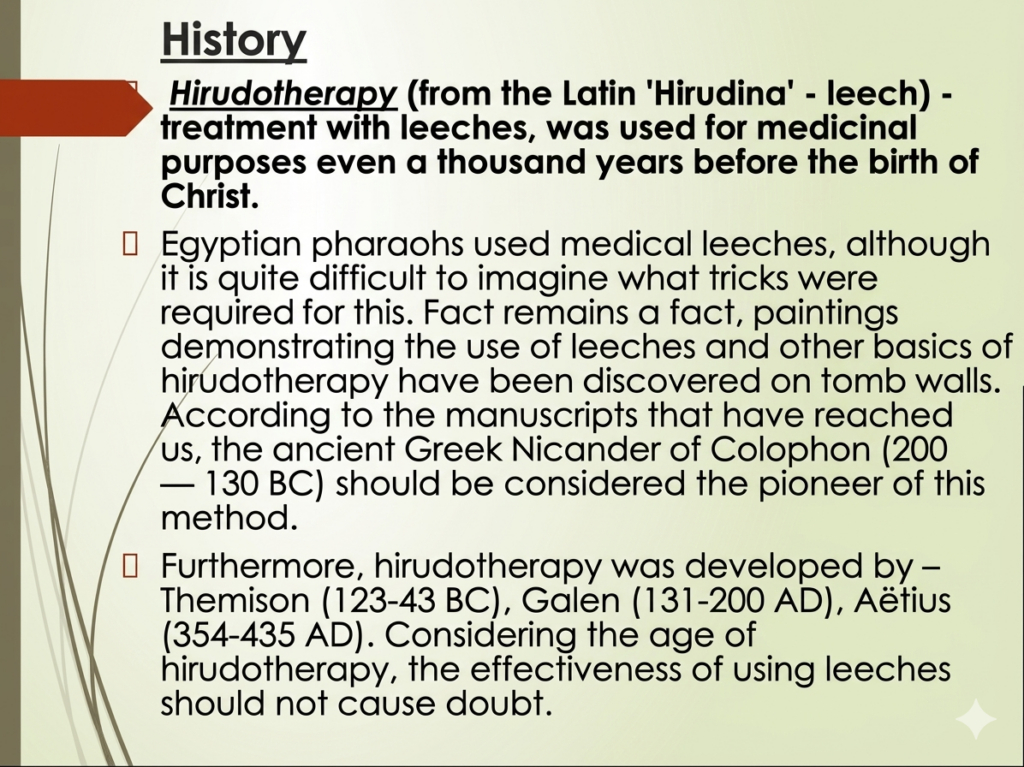
Figure 1 — Historical illustrations and a description of the development of hirudotherapy
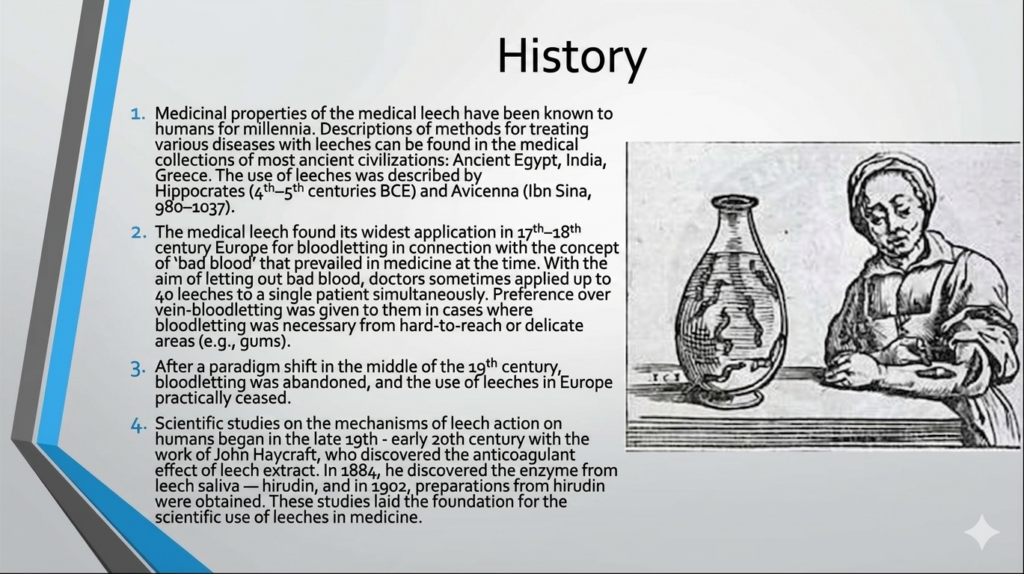
Figure 2 — Historical illustrations and a description of the development of hirudotherapy
Biology and Pharmacology of the Medical Leech
The medical leech is a unique organism belonging to the family Hirudinidae and the genus Hirudo, which comprises at least six species used in medicine, including Hirudo medicinalis, Hirudo verbana and Hirudo orientalis. The leech’s body is rounded and flattened laterally, equipped with suction cups at the front and rear ends, which ensure a secure attachment to the host’s skin. As a haematophagous organism, the leech feeds on animal blood and is capable of sucking up to 15 ml of blood in a single session, increasing its mass by 7–9 times. An important biological feature is the ability to store the ingested blood in the stomach in a liquid state for months, thanks to the presence of symbiotic bacteria, such as Aeromonas hydrophila, which help maintain an environment that prevents blood clotting and decomposition [1, 5].
The salivary glands of the medicinal leech, concentrated mainly in the anterior part of the body, number more than 400. These glands secrete a fluid rich in biologically active substances, the total volume of which in leeches over one year old is approximately 2.19 mm³ [3]. Salivary gland secretion (SGS) comprises more than 100 different proteins and peptides with molecular weights ranging from 10 to 150 kDa and a variety of isoelectric points (pI 3–10). Among the most studied components are hirudin, bdellins, calin and destabilase, each of which performs a unique biological function [1, 3].
The pharmacological properties of leech secretion are due to the complex interaction of its components. Hirudin acts as a potent anticoagulant, inhibiting thrombin and thereby preventing blood clotting, which helps maintain fluid in the blood vessels and improves blood flow. Bdellins promote blood thinning and possess anticoagulant activity, whilst kalin acts as a kallikrein inhibitor, reducing inflammatory processes and vascular wall permeability. Destabilase, possessing thrombolytic properties, aids in the breakdown of existing blood clots, complementing the action of hirudin [1, 3].
Furthermore, leech secretion has a vasodilatory effect, improving microcirculation and reducing the degree of tissue hypoxia. The antihypoxic effect is achieved by increasing oxygen delivery through enhanced blood flow. The anti-inflammatory properties are due to the suppression of pro-inflammatory mediator formation and a reduction in exudation, which potentially improves regenerative processes in the affected tissues. The antibacterial action of the secretion is provided by the presence of antimicrobial proteins and peptides (AMPs), capable of inhibiting the growth and development of a wide range of microorganisms, including pathogenic bacteria, fungi and viruses. At the same time, the level of haemolysis of the blood retained in the leech’s stomach is minimal, which indicates the high biocompatibility of the secreted substances [1, 4].
The molecular composition of leech secretions from different species exhibits significant polymorphism, reflecting amino acid variations and post-translational modifications, as confirmed by mass spectrometric analysis. Between 30 and 40% of the secretion components are shared across different species, indicating phylogenetic proximity and the preservation of key functions throughout evolution. Such differences may influence the spectrum of biological activity, opening up prospects for selecting the appropriate leech species for specific therapeutic purposes [4].
The life cycle of the medicinal leech comprises successive stages: egg, larva, juvenile and adult. Leeches develop in aquatic environments with varying temperatures and conditions, which influence development times and activity. Maintaining the health and quality of bioproduction leeches in modern medical settings requires control of the rearing environment and diet, which significantly improves the standardisation and safety of hirudotherapy procedures.
Thus, the medicinal leech is a blood-sucking organism with a unique structure and biochemical adaptations that ensure effective blood donation and the secretion of a complex substance from the salivary glands. The biologically active substances in the saliva possess a variety of pharmacological effects, including anticoagulation, thrombolysis, vasodilation, anti-inflammatory and antimicrobial activity, which form the basis of the therapeutic potential of hirudotherapy. The pharmacological profile of leech saliva underpins its therapeutic potential.
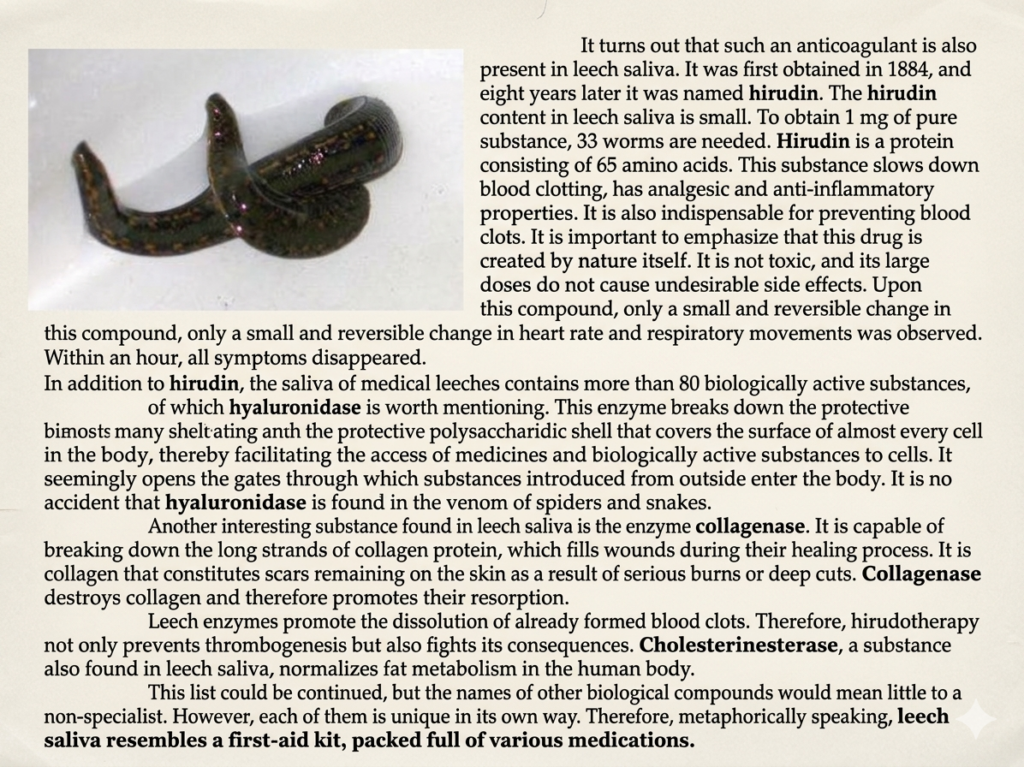
Figure 3 — Medical leech — biological research subject
The mechanisms of the systemic effects of hirudotherapy on the body
The systemic effects of hirudotherapy are based on the complex interaction of numerous biologically active substances contained in the saliva of the medicinal leech (Hirudo medicinalis). These substances have anticoagulant, anti-inflammatory, immunomodulatory and vasodilatory effects, providing a multifaceted impact on bodily functions.
The key component of the saliva is hirudin — a potent thrombin inhibitor that blocks the blood clotting process, preventing thrombus formation and improving microcirculation. Alongside this, other enzymes and proteins, such as kallikrein inhibitors, factor Xa, calin and apyase, act in concert to thin the blood and prevent platelet aggregation, thereby reducing the risk of venous stasis and improving blood flow in small vessels [1, 2].
The thrombolytic properties of the secretion are provided by the component destabilase, which breaks down stabilised fibrin, thereby promoting the dissolution of existing clots and restoring normal blood circulation. This is important for reducing tissue ischaemia and facilitating reparative processes.
By penetrating the tissues thanks to the activity of hyaluronidase, leech saliva increases the permeability of the intercellular matrix, allowing other active substances to affect the cells and vascular wall more deeply. The mechanical bleeding caused by the leech’s suction and sustained by its anticoagulants helps to remove inflammatory mediators and excess metabolic products, as well as reducing venous pressure and oedema in the affected areas.
The anti-inflammatory effect is provided by a complex of proteins and peptides — hirustasin, eglins, bdellins, LDTI and other inhibitors of inflammatory enzymes — which suppress the production of pro-inflammatory cytokines and enzymes, thereby reducing the inflammatory response and preventing excessive tissue damage. This mechanism helps to normalise microcirculation and stimulates regenerative processes.
Immunomodulation during hirudotherapy manifests itself through the activation of phagocytic activity in neutrophils and other cells of the innate immune system. The leech bite and components of its saliva stimulate local and systemic immune responses, enhancing the body’s defensive functions and facilitating the more effective elimination of pathogens and damaged cells.
Together, these mechanisms ensure improved haemodynamics, reduced inflammation, normalisation of the coagulation system, and an adaptive immune response. Thanks to prolonged, controlled bleeding, a sustained reduction in venous stasis and an improvement in tissue metabolism are achieved, which is particularly beneficial in microsurgery and the treatment of chronic vascular diseases.
An understanding of these mechanisms forms the basis for justifying the indications for the use of this method.
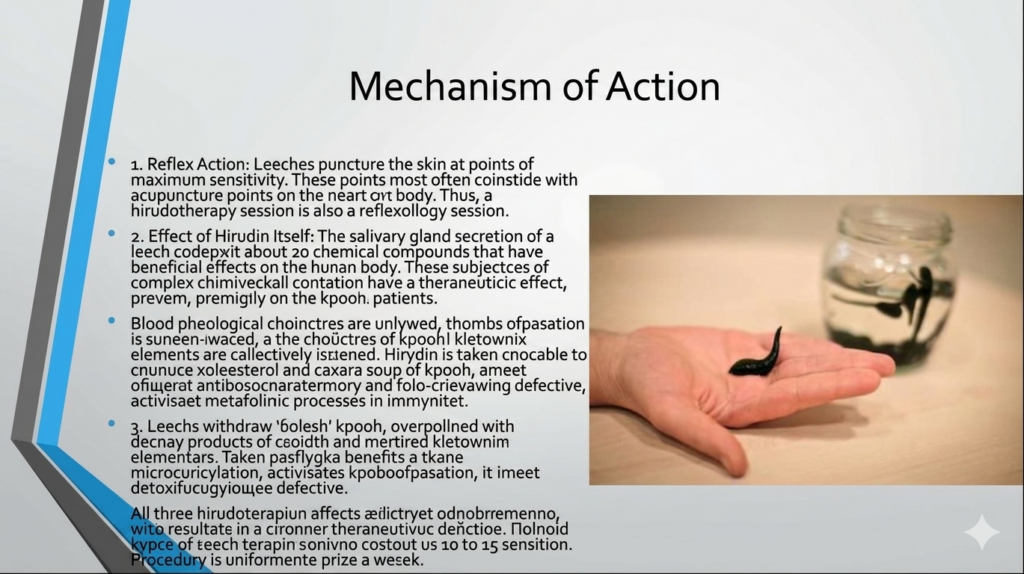
Figure 4 — Mechanisms of the systemic effects of hirudotherapy on the human body
The use of hirudotherapy in chronic conditions
Clinical experience demonstrates the effectiveness of hirudotherapy in the treatment of chronic apical periodontitis (CAP), a widespread inflammatory dental condition. In a study involving 41 patients, divided into a main group receiving comprehensive treatment and a control group, the technique of applying leeches to the alveolar ridge mucosa was used, with intervals of several days between procedures. The results showed a significant reduction in the intensity of constant pain and the gingival inflammation index in the main group by the 4th–7th day of therapy compared with patients receiving only standard treatment, with no side effects [6].
This comprehensive effect is achieved through the biologically active components of leech saliva, in particular hirudin, which inhibits thrombin and improves microcirculation, reducing inflammation and promoting tissue regeneration. The mechanisms of action include both analgesic and anti-inflammatory effects, which alleviate symptoms and accelerate the recovery process. Indicators of inflammatory activity in the periodontium decrease, improving tissue condition and the functional status of the stomatognathic system.
In addition to dentistry, hirudotherapy has demonstrated positive effects in the treatment of chronic inflammatory diseases of the female pelvic organs. The supportive action of leeches contributes to a rapid reduction in pain and a decrease in mucosal oedema, improving clinical indicators and the quality of life for patients. This result is due to a complex effect on the vascular system and immune mechanisms, which alleviates the course of inflammatory processes and enhances the effectiveness of primary treatment methods [12].
In the treatment of chronic cardiovascular diseases, hirudotherapy is used to reduce venous and capillary stasis, normalise blood clotting and prevent thrombus formation. This improves haemodynamics and reduces the risk of complications associated with tissue ischaemia and hypoxia. The inclusion of hirudotherapy in the treatment regimen is accompanied by an improvement in patients’ general condition and a reduction in the recovery period [4, 5].
Thus, hirudotherapy is a promising addition to standard methods of treating chronic conditions. It provides a comprehensive therapeutic effect, possessing anti-inflammatory, analgesic and regenerative properties, as confirmed by modern clinical studies and practical experience [1, 2].
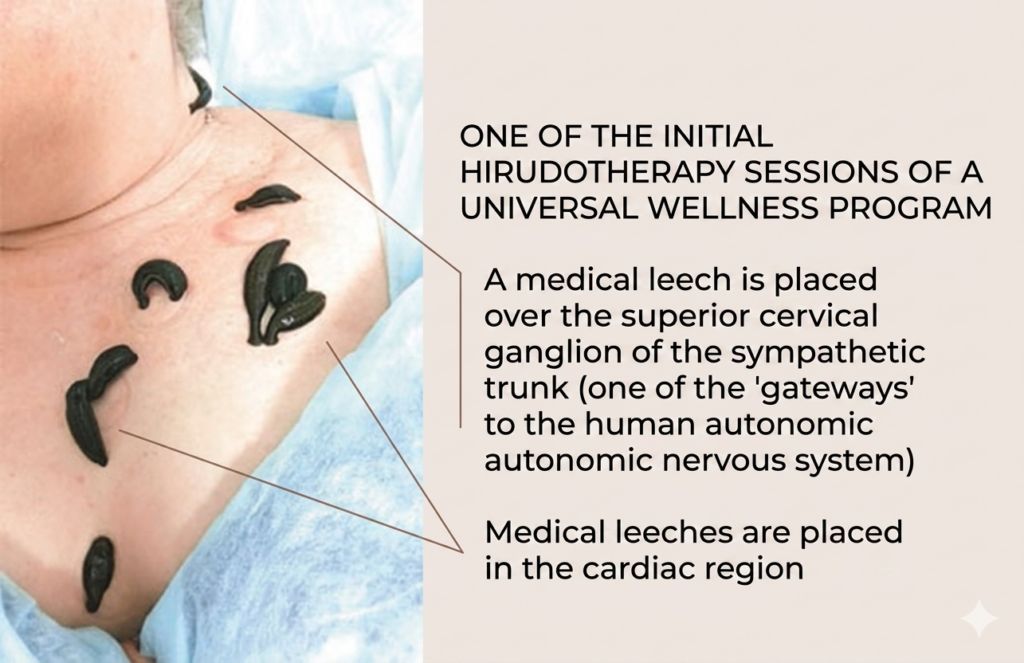
Figure 5 — The use of leech therapy for chronic conditions: placement of leeches and treatment protocol
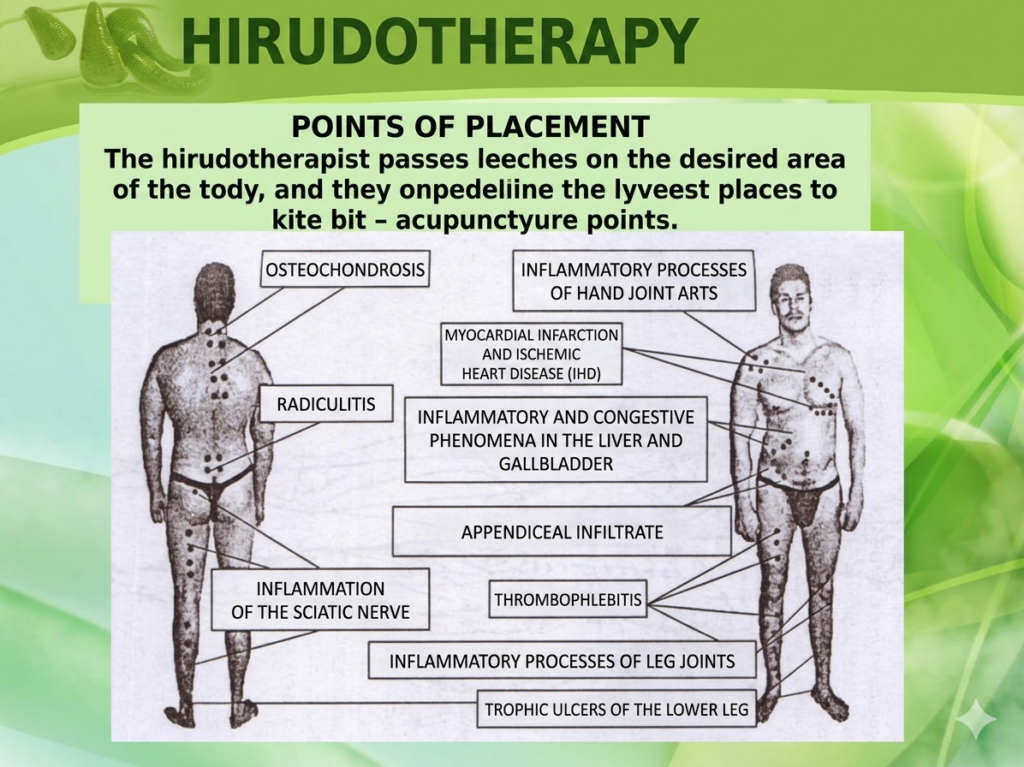
Figure 6 — The use of leech therapy for chronic conditions: placement of leeches and treatment protocol
The use of hirudotherapy in dentistry
Dental practices make extensive use of hirudotherapy to treat inflammatory conditions of the oral cavity, aid recovery following surgical procedures, and relieve pain. The method places particular emphasis on the treatment of hypertrophic gingivitis, which often develops during orthopaedic or orthodontic treatment of dentofacial anomalies. To treat inflamed mucous membrane in the gum area, 1–2 medical leeches are usually applied to the affected area for 15–20 minutes. The course comprises 2 to 5 sessions, conducted daily or every other day, which ensures a comprehensive effect and accelerates recovery [2].
Prior to the procedure, following professional oral hygiene, the treatment area is prepared, and the leeches are thoroughly rinsed and checked for activity. The leech is attached using a special device, such as a test tube. During a single session, a leech extracts up to 10–15 ml of blood, and the subsequent bleeding continues for 6–8 hours without the need for additional medication. This regimen allows for the natural reduction of inflammation and improvement of microcirculation at the local level [1, 2].
The mechanism of action of hirudotherapy in dentistry is due to the complex composition of leech salivary glands, which secrete hirudin, destabilase, eglins, hyaluronidase, collagenase and a number of other biologically active substances. These components regulate blood clotting, possess thrombolytic and antiplatelet effects, suppress inflammation, reduce swelling, and also have a bactericidal effect. The combined action of these substances provides an analgesic effect, improves oxygen exchange in tissues and stimulates the immune response, which favourably promotes the restoration of the mucous membrane and a reduction in pain [1, 3].
Clinical observations in the treatment of hypertrophic gingivitis indicate rapid resolution of oedema and normalisation of microcirculation, a reduction in local pain, and a marked anti-inflammatory effect. Patients report a reduction in treatment time to 2–5 days and an improvement in their general condition. Following a course of therapy, the physiological contour of the gingival papillae is restored, which contributes not only to functional but also to aesthetic outcomes. The achieved effect is long-lasting, ensuring sustained remission of the condition [1, 3].
Among the advantages of hirudotherapy compared with traditional treatment methods (cryosurgery, heparin therapy) are its lower invasiveness and the absence of pronounced oedematous and painful reactions, which significantly reduces patient discomfort. The method does not require prolonged injections or laboratory monitoring of blood clotting, and the risk of allergic reactions is minimal. The course of treatment is short, which improves patient compliance and helps avoid cosmetic defects following procedures [1].
Thus, hirudotherapy in dentistry is successfully used for the comprehensive treatment of inflammatory diseases of the oral mucosa, recovery following surgical procedures, and pain relief. This method is convenient, relatively safe and provides effective improvement in tissue condition, achieving lasting clinical results. The effectiveness of hirudotherapy in dentistry has been confirmed by numerous clinical observations.
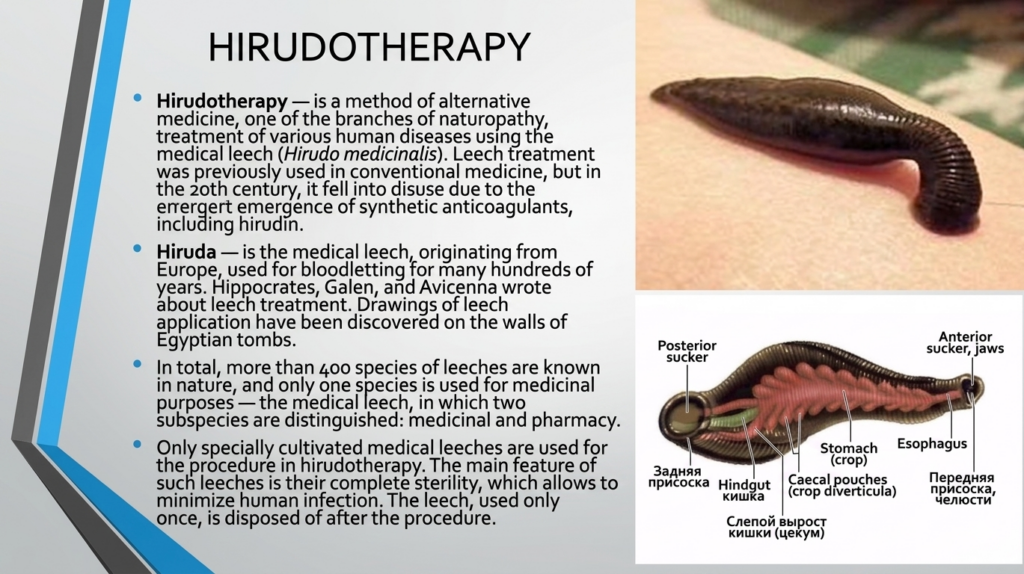
Figure 7 — Medical leeches used in hirudotherapy in dentistry, with a description of their application and effects
Advantages and limitations of the systemic approach to hirudotherapy
Despite its numerous advantages, hirudotherapy has a number of limitations that must be taken into account to ensure its safe and effective use. Key benefits of the method include the complex action of biologically active substances in the saliva of the medicinal leech, which provide anticoagulant, thrombolytic and anti-inflammatory effects, as well as improved venous outflow. This makes hirudotherapy highly sought-after for various chronic conditions, particularly in the fields of cardiology, phlebology, otolaryngology and ophthalmology, where it aids in tissue decongestion and the prevention of thrombosis [1, 3].
Furthermore, the technique is minimally invasive and involves no systemic drug load, which reduces the risk of side effects characteristic of traditional pharmacotherapy. Hirudotherapy can be used both as monotherapy and as part of a comprehensive treatment regimen, allowing for reduced medication doses and improved quality of life for patients. Medical leeches are used only once, which minimises the risk of infection transmission, and their cultivation on specialised bio-farms ensures sterility and quality control [11].
However, a number of contraindications limit the use of hirudotherapy. It is necessary to exclude patients with anaemia, haemophilia, haemorrhagic diatheses, severe hypotension, cachexia, pregnancy and lactation, as well as children under 18 years of age and individuals with individual intolerance to the method. Particular attention is paid to the incompatibility of hirudotherapy with anticoagulants and thrombolytics, the use of which may lead to dangerous bleeding. Similarly, caution should be exercised when combining the treatment with acetylsalicylic acid and clopidogrel due to the increased risk of bleeding [2, 3].
Adverse reactions, although rare, may include local skin manifestations such as redness, itching and swelling, as well as systemic effects — hypotension, lymphadenitis, hyperpigmentation and allergic reactions. To minimise such complications, it is important to perform a preliminary small trial procedure with two leeches to determine the patient’s sensitivity. Strict hygiene and aftercare of the bite sites must be observed to avoid the risk of infectious complications. If an excessive number of leeches are used, the likelihood of severe bleeding increases, requiring the application of a tight sterile dressing and medical attention [2, 3].
The effectiveness of treatment depends directly on the specialist’s expertise, who determines the number of leeches, their placement sites, and the duration of the course. Inadequate training or failure to follow treatment protocols may lead to a worsening of the condition or the development of complications, which underscores the importance of strict medical supervision. Inappropriate use may negate the therapeutic effect and increase risks [10].
Thus, hirudotherapy represents a balanced systemic treatment method with marked positive properties, provided that contraindications and procedural guidelines are observed. Awareness of these limitations is important for the correct choice of technique and patient safety.
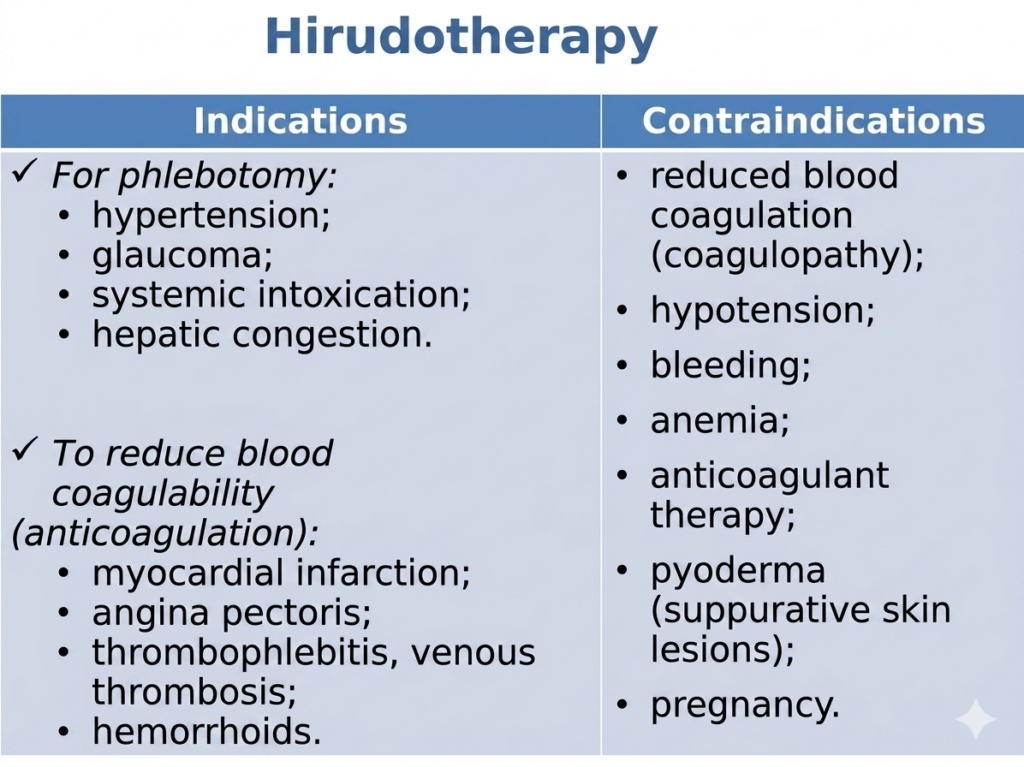
Figure 8 — Indications and contraindications for hirudotherapy, including safety considerations and restrictions
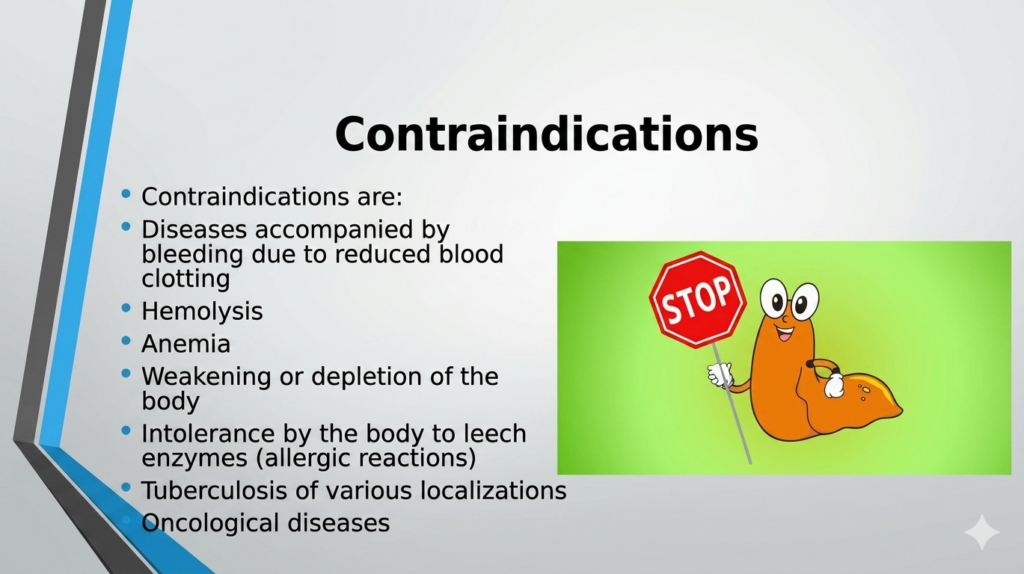
Figure 9 — Indications and contraindications for hirudotherapy, including safety considerations and restrictions
Current research and future prospects for hirudotherapy
Modern science is opening up new opportunities for the development of hirudotherapy, deepening our understanding of the biochemical composition of medicinal leech saliva and refining methods for its clinical application. Recent studies have identified over 100 biologically active components in saliva, which justifies not only traditional indications but also a wider use of the method in dentistry, cardiovascular practice and medical rehabilitation [2, 3].
Clinical data confirm the efficacy of hirudotherapy in chronic apical periodontitis in patients aged 25–40 years. Randomised studies report a marked reduction in pain and inflammation in patients treated with medicinal leeches compared with the control group, which is attributed to the combined action of active substances in saliva and improved local microcirculation [9]. Similarly, a systematic review of studies from 2000–2014 demonstrates the positive effect of hirudotherapy in ischaemic heart disease, arterial hypertension, chronic heart failure and acute cerebrovascular accident, suggesting the use of the method as a complementary component in complex therapy and the prevention of complications [7].
An innovative aspect is the formalisation of the nursing process during hirudotherapy, which contributes to the standardisation of patient care and the optimisation of nursing staff procedures. A survey revealed that around 40% of patients experience difficulties in adhering to recommendations for post-operative care of the bite sites; therefore, leaflets have been developed containing simple and accessible instructions on procedure preparation, hygiene and answers to frequently asked questions, which enhances the safety and quality of treatment [5].
Particular attention is paid to safety issues and the development of educational programmes aimed at enhancing the qualifications of medical professionals and improving the practice of hirudotherapy in clinical settings. Against a backdrop of rising allergy rates in the population and an increase in chronic diseases, non-pharmacological treatment methods, including hirudotherapy, are becoming particularly significant as an alternative or complementary approach [5].
Current research supports the integration of hirudotherapy with evidence-based medicine and contributes to the establishment of standardised treatment protocols that take into account both the biochemical properties of leech saliva and the individual characteristics of patients. This ensures increased efficacy and safety, as well as broadening the scope of application of the method across various medical fields.
This opens up prospects for the integration of hirudotherapy into the standards of modern medicine.
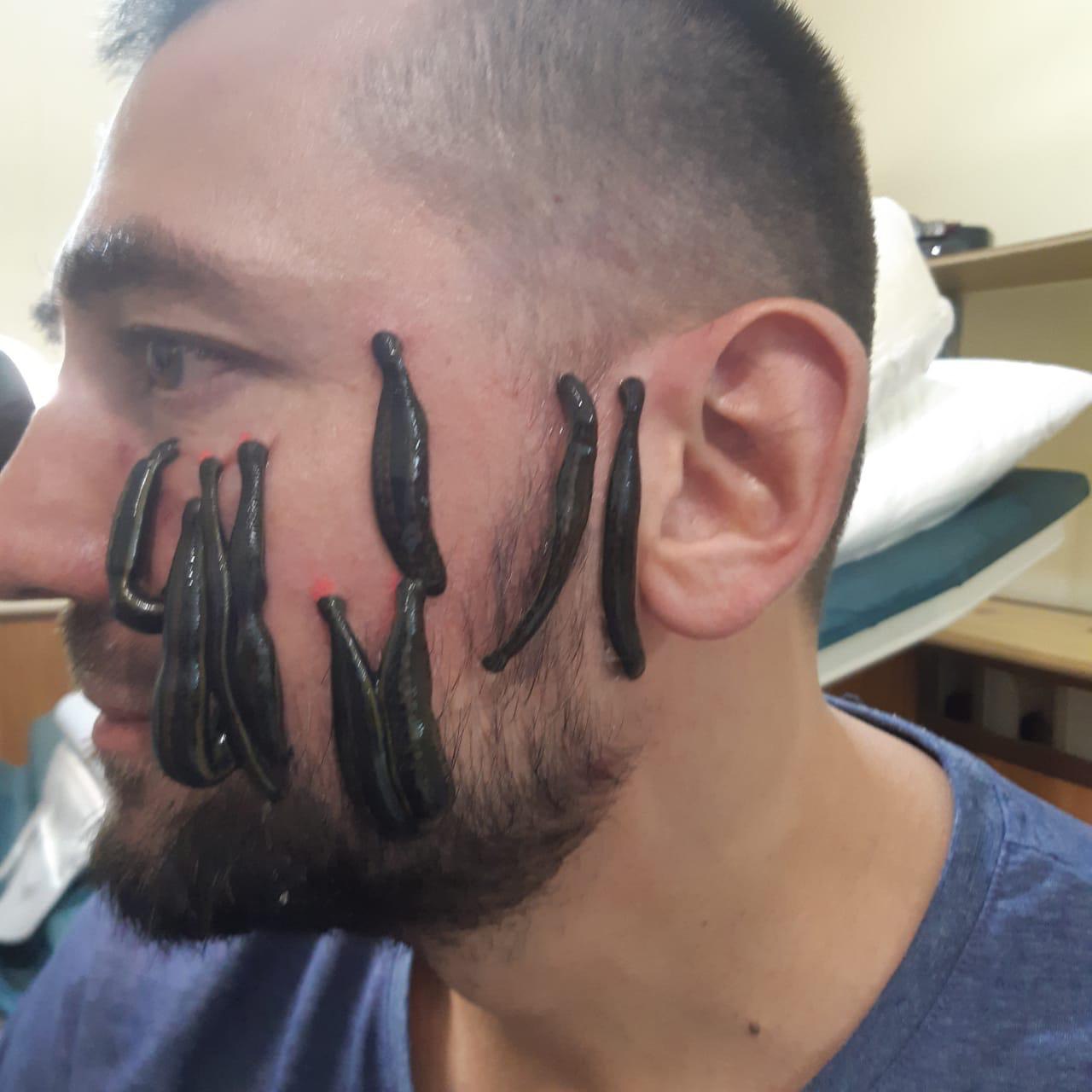
Figure 10 — The modern use of leech therapy in medical practice
Procedure for Hirudotherapy
The practical procedure for a session involves several sequential stages designed to ensure the safest and most effective treatment possible. First, the patient undergoes mandatory preparation; contraindications and possible reactions are discussed, and the specifics of the procedure and aftercare for the bite sites are explained. Before the first session, it is recommended to use no more than two leeches to assess the body’s individual reaction, which helps to identify hypersensitivity and prevent complications [1, 5].
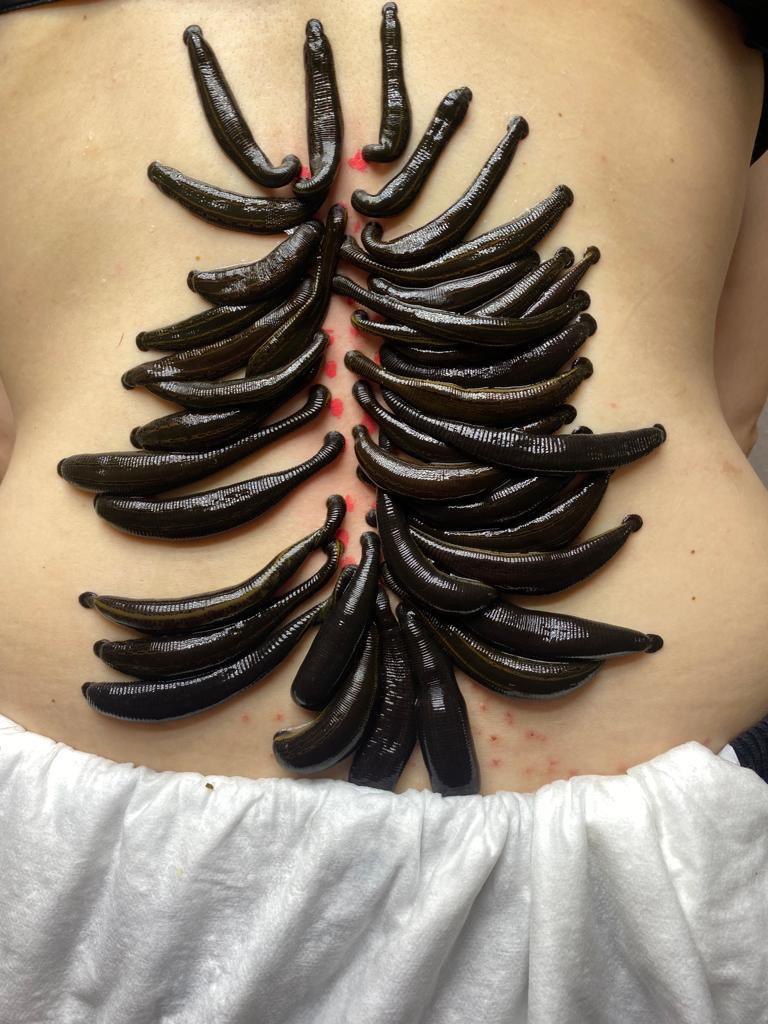
The number of leeches used depends on the specific type of therapy and the severity of the condition. On average, between 4 and 8 leeches are used per session. In phlebology, the number can vary from 3 to 14 leeches depending on the extent of venous involvement, and they are applied along the course of the affected vein in a staggered pattern, at a distance of at least 1 cm from the vein and 5–6 cm on either side. In cardiology, leeches are applied to the mastoid processes, the temporal region, the lateral neck, and the cardiac region. For the treatment of glaucoma in ophthalmology, two leeches are usually applied to the skin of the temple and mastoid process on the side of the affected eye. In otolaryngology, the number can range from 1 to 5, and the application sites include the tragus, the area behind the ear, and the exits of the supraorbital and intraorbital nerves [1, 4].
The duration of the procedure varies depending on the doctor’s specialisation and the condition: in phlebology, a standard session lasts about 1 hour, whilst in otolaryngology it ranges from 3 to 7 minutes, taking into account the patient’s general condition and the severity of symptoms. The course of treatment traditionally consists of 2–4 sessions at intervals of 2–3 days; in phlebology, the course may extend to 5 procedures, with the possibility of repeating the treatment after 2 months. The schedule and frequency of sessions are determined by the specialist, taking into account the severity of the condition and the patient’s response [1, 5].
The technique for applying leeches requires strict adherence to anatomical features and technique. Leeches attach themselves to the skin independently, injecting a range of biologically active substances into the wound. Once bleeding has ceased—which may take up to several hours—the leech detaches without external assistance. If it needs to be removed earlier, this is done carefully using a cotton swab moistened with iodine or alcohol to avoid triggering the leech’s gag reflex and to prevent any regression with saliva being secreted back into the wound [8]. The bite sites must be treated with hydrogen peroxide after the procedure and covered with a sterile dressing to prevent infection.
Post-procedure care and recommendations are of particular importance. Patients are advised to avoid exposure to the cold, strenuous physical activity and getting the bite areas wet during the first 24 hours. It is also important to monitor for any possible reactions – redness, swelling, itching or hyperpigmentation – which usually resolve on their own. If signs of an allergic reaction appear or symptoms worsen, a doctor should be consulted immediately [2, 4].
Hirudotherapy procedures must be performed exclusively by a qualified specialist who is familiar with the pathophysiology of diseases, anatomy and the specifics of the method, and who adheres to hygiene and sanitation standards. Contraindications such as anaemia, haemophilia, pregnancy, the use of anticoagulants and thrombolytics, as well as children under the age of 18, must be taken into account. It is the doctor’s competence and strict adherence to the methodology that ensure the safety and high efficacy of the treatment [1, 2].
Thus, the procedure for conducting a hirudotherapy session involves selecting the appropriate number of leeches and their application sites, taking into account the patient’s condition and anatomy, ensuring the procedure is of optimal duration, properly treating the bite sites, and observing the intervals between sessions. Adherence to the procedure guarantees maximum safety and efficacy of the therapy.
Figure 11 — Stages and recommendations for performing hirudotherapy with
Conclusion
Hirudotherapy, which relies on the specific biological properties of the medicinal leech, demonstrates the ability to exert a comprehensive effect on the body, regulating physiological processes and contributing to the elimination of pathological changes. A detailed study of the composition of leech saliva and the mechanisms of action of its components has shown that the method exerts anticoagulant, thrombolytic, anti-inflammatory and immunomodulatory effects, thereby exerting a beneficial influence on both the circulatory system and inflammatory and regenerative processes. This multifaceted action explains the widespread use of hirudotherapy in the treatment of chronic diseases, a fact confirmed by modern clinical studies.
Historical analysis attests to a long tradition of leech use, ranging from ancient medical schools to the revival of the method in modern practice through the application of biotechnological approaches to the cultivation and use of leeches. The introduction of standardised protocols and safety measures has helped to overcome many barriers associated with side effects and the risk of infectious complications.
Clinical data, including experience in dentistry and the treatment of chronic inflammatory diseases, confirm the method’s effectiveness and high tolerability. In dentistry, hirudotherapy improves microcirculation, reduces swelling and inflammation, and provides a marked analgesic effect, thereby expanding the possibilities for conservative and comprehensive treatment of oral diseases. In other fields of medicine, the method complements traditional approaches, helping to reduce the burden on the body and improve patients’ quality of life.
The advantages of hirudotherapy include minimal invasiveness, a comprehensive biochemical effect, and a reduced need for medication, which is particularly relevant where there are contraindications to traditional therapy. At the same time, limitations have been identified, relating to contraindications, the potential for allergic reactions, and the need for qualified medical supervision to select treatment parameters and prevent complications.
Current research contributes to the further development and integration of hirudotherapy into evidence-based medicine, broadening its scope of application and refining methodological approaches. The development of educational programmes and the creation of specialised information materials improve the training of healthcare professionals and patient awareness, thereby enhancing the safety and efficacy of treatment.
Overall, the analysis and synthesis of data confirm that hirudotherapy is a viable and promising systemic treatment method which, when applied correctly, becomes a fully-fledged tool in the modern arsenal of complex therapy.
Its integration into clinical practice requires further research efforts aimed at optimising protocols and expanding indications, which will improve the quality of medical care and meet the growing needs of patients.
Bibliography
1. Academia Klado, 1981. – 286 p. [Electronic resource] // repository.usmf.md – Access mode: https://repository.usmf.md/bitstream/20.500.12710/3421/1/Girudoterapiia_zabolevanii_parodonta.pdf, free. – Title from screen
2. RU2112529C1 – Method of treatment… – Google Patents [Electronic resource] // patents.google.com – Access mode: https://patents.google.com/patent/RU2112529C1/ru, free. – Title from screen
3. kpfu.ru/portal/docs/F2074095081/Diplom.Goncharova.2014.pdf [Electronic resource] // kpfu.ru – Access mode: https://kpfu.ru/portal/docs/F2074095081/Diplom.Goncharova.2014.pdf, free. – Title from screen
4. Proteins and peptides in the secretion of the salivary glands of the medicinal leech… [Electronic resource] // biochemistrymoscow.com – Access mode: https://biochemistrymoscow.com/ru/archive/2008/73-03-0388/, free. – Title from screen
5. POSSIBILITIES OF HIRUDOTHERAPY – International Journal… [Electronic resource] // expeducation.ru – Access mode: https://expeducation.ru/article/view?id=4390, free. – Title from screen
6. Bulletin of the Russian State Medical University [Electronic resource] // vestnik.rsmu.press – Access mode: https://vestnik.rsmu.press/archive/2020/3/14/content?lang=ru, free. – Title from screen
7. The effect of hirudotherapy on the state of lipid… [Electronic resource] // science-education.ru – Access mode: https://science-education.ru/article/view?id=4985, free. – Title from screen
8. Document provided by ConsultantPlus I confirm… [Electronic resource] // www.infomed39.ru – Access mode: https://www.infomed39.ru/upload/medialibrary/f27/f277b2b31bc04de1f0d9a0317343b250.docx, free. – Title from screen
9. ORIGINAL RESEARCH [Electronic resource] // vestnik.rsmu.press – Access mode: https://vestnik.rsmu.press/files/issues/vestnik.rsmu.press/2020/3/2020-3-14_ru.pdf?lang=ru, free. – Title from screen
10. Medical leech — instructions for use, doses… | RLS® [Electronic resource] // www.rlsnet.ru – Access mode: https://www.rlsnet.ru/drugs/piyavka-medicinskaya-6637, free. – Title from screen
11. Federal State Budgetary Educational Institution of Higher Education Arkhangelsk State Medical University (Arkhangelsk) of the Ministry of Health of Russia :: Doctor… [Electronic resource] // www.nsmu.ru – Access mode: https://www.nsmu.ru/consult-policl/consult/gerudoterapevt.php, free. – Title from screen
12. Shvelidze E.V., Kareva N.P., Pasman N.M. The effectiveness of regenerative medicine technologies in the comprehensive treatment of inflammatory diseases of the female reproductive system // Siberian Medical Review. 2010. No. 4. URL: https://cyberleninka.ru/article/n/effektivnost-tehnologiy-vosstanovitelnoy-meditsiny-v-kompleksnom-lechenii-vospalitelnyh-zabolevaniy-zhenskoy-polovoy-sfery (22.12.2025).