
Dr PONS Olivier, Professor
Abstract
Tropical infectious diseases are no longer restricted to equatorial regions and are increasingly encountered in Europe due to globalization, international travel, migration, and climate change. This paper discusses comprehensive strategies to mitigate their emergence and spread within European health systems. Key approaches include strengthening epidemiological surveillance, implementing effective vector control programs, improving healthcare professional training, enhancing public awareness, promoting vaccination and preventive medicine, and adopting a One Health interdisciplinary framework. Coordinated national and international efforts are essential to reduce the public health impact of these diseases.
Résumé
Les maladies infectieuses tropicales ne se limitent plus aux régions équatoriales et sont de plus en plus rencontrées en Europe en raison de la mondialisation, des voyages internationaux, de la migration et du changement climatique. Cet article traite des stratégies globales pour atténuer leur émergence et leur propagation au sein des systèmes de santé européens. Les approches clés incluent le renforcement de la surveillance épidémiologique, la mise en œuvre de programmes efficaces de lutte contre les vecteurs, l’amélioration de la formation des professionnels de santé, le renforcement de la sensibilisation du public, la promotion de la vaccination et de la médecine préventive, et l’adoption d’un cadre interdisciplinaire One Health. Des efforts nationaux et internationaux coordonnés sont essentiels pour réduire l’impact de ces maladies sur la santé publique.
1. Introduction
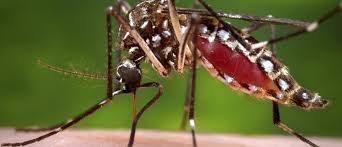
Tropical infectious diseases, traditionally confined to tropical and subtropical regions, are now emerging or being imported into Europe. This shift is driven by increased human mobility, environmental changes, and the establishment of competent disease vectors such as invasive mosquito species. Diseases such as dengue, chikungunya, and West Nile fever are no longer exceptional in Europe, with occasional autochthonous transmission reported in several countries.
The growing presence of these diseases highlights the need for effective public health strategies to prevent outbreaks, ensure early detection, and limit transmission.
2. Epidemiological Surveillance
Epidemiological surveillance is a cornerstone of infectious disease control. It involves the continuous collection, analysis, and interpretation of health data to detect outbreaks early and guide interventions.
In Europe, surveillance systems operate at national and supranational levels, supported by organizations such as the European Centre for Disease Prevention and Control (ECDC).
These systems rely on:
Mandatory reporting of notifiable diseases
Laboratory-based confirmation
Monitoring of imported and autochthonous cases
Integration of entomological and environmental data
Early detection enables rapid response measures, including vector control and case isolation, thereby limiting secondary transmission.
3. Vector Control Strategies
Vector control is essential for diseases transmitted by arthropods such as mosquitoes and ticks.
Key strategies include:
Environmental management: Elimination of stagnant water where mosquitoes breed
Chemical control: Use of insecticides and larvicides
Biological control: Introduction of natural predators or sterile insect techniques
Surveillance of vector populations: Monitoring distribution and density of vectors such as Aedes albopictus
Urban planning and sanitation improvements
Sustained vector control programs are crucial in preventing local transmission cycles.
4. Healthcare Professional Training
Early diagnosis is critical for effective management of tropical infections. However, healthcare professionals in non-endemic regions may have limited experience with these diseases.
Strategies to improve clinical preparedness include:
Incorporating tropical medicine into medical curricula
Continuous professional development programs
Clinical guidelines for diagnosis and treatment
Awareness of travel history as a key diagnostic element
Strengthening laboratory diagnostic capacities (PCR, serology, microscopy)
Improved training leads to faster diagnosis, appropriate treatment, and reduced complications.
5. Public Awareness and Education
Public awareness plays a vital role in disease prevention. Educational strategies should focus on:
Pre-travel health advice for international travelers
Promotion of personal protective measures (repellents, clothing, bed nets)
Community engagement in vector control efforts
Health communication campaigns targeting at-risk populations
Informed individuals are more likely to adopt preventive behaviors, reducing the risk of infection and transmission.
6. Vaccination and Preventive Medicine
Vaccination remains one of the most effective preventive tools for certain infectious diseases. In addition:
Vaccines are available for diseases such as yellow fever and hepatitis A
Chemoprophylaxis is recommended for malaria in endemic travel areas
Travel medicine clinics provide individualized risk assessment and prevention strategies
Preventive medicine also includes screening, early diagnosis, and prophylactic interventions.
7. One Health Approach
The One Health concept recognizes the interconnection between human health, animal health, and the environment. This approach is particularly relevant for tropical infectious diseases, many of which involve zoonotic reservoirs and environmental vectors.
Key components include:
Collaboration between medical, veterinary, and environmental sectors
Integrated surveillance of humans, animals, and vectors
Monitoring the effects of climate change on disease distribution
Cross-sectoral data sharing and coordination
A One Health approach enhances the ability to predict, prevent, and respond to emerging infectious threats.
8. Discussion
The increasing presence of tropical infectious diseases in Europe reflects broader global trends, including climate change, urbanization, and globalization. These factors contribute to the expansion of vector habitats and facilitate the introduction of pathogens into new regions.
Effective control requires a multidisciplinary and coordinated response involving public health authorities, clinicians, researchers, and policymakers. European cooperation is particularly important, as vectors and pathogens do not respect national borders. Strengthening preparedness, investing in surveillance systems, and promoting preventive strategies are essential to reduce the burden of these diseases.
9. Conclusion
Tropical infectious diseases represent a growing challenge for European health systems. Their emergence is closely linked to environmental and societal changes. A comprehensive strategy combining surveillance, vector control, healthcare training, public education, vaccination, and a One Health approach is essential to limit their spread. Coordinated efforts at local, national, and international levels will be key to ensuring effective prevention and control.
References (APA Style)
Centers for Disease Control and Prevention (CDC). (2020). CDC Yellow Book: Health Information for International Travel. Atlanta, GA: CDC.
European Centre for Disease Prevention and Control (ECDC). (2020). Vector-borne diseases and climate change in Europe. Stockholm: ECDC.
Gubler, D. J. (2011). Dengue, urbanization and globalization: The unholy trinity of the 21st century. Tropical Medicine and Health, 39(4), 3–11.
Morens, D. M., Folkers, G. K., & Fauci, A. S. (2004). The challenge of emerging and re-emerging infectious diseases. Nature, 430(6996), 242–249.
World Health Organization (WHO). (2020). International travel and health. Geneva: WHO.
Class materials. (2020). Lecture notes on emerging and tropical infectious diseases. Undergraduate course material.